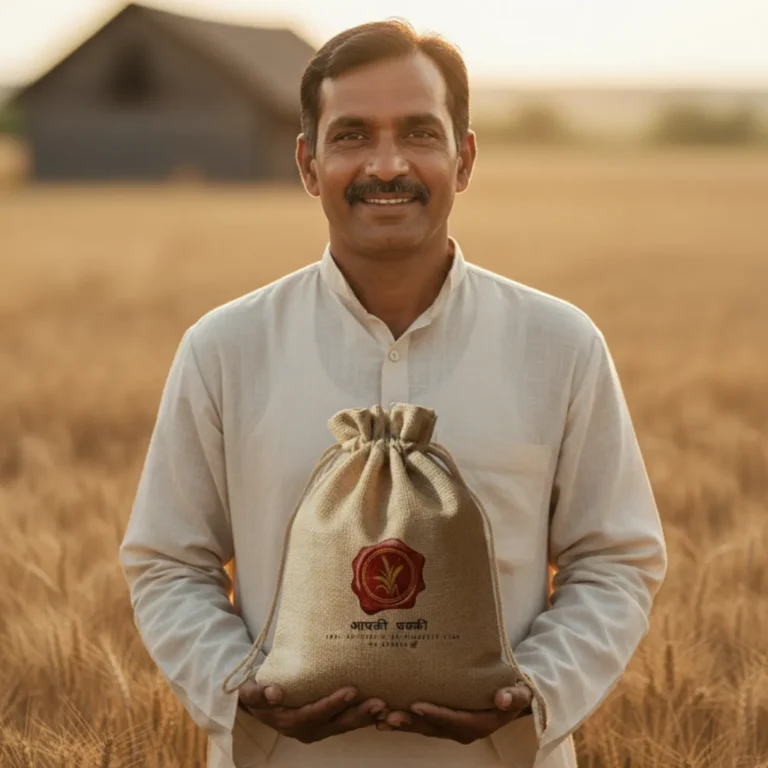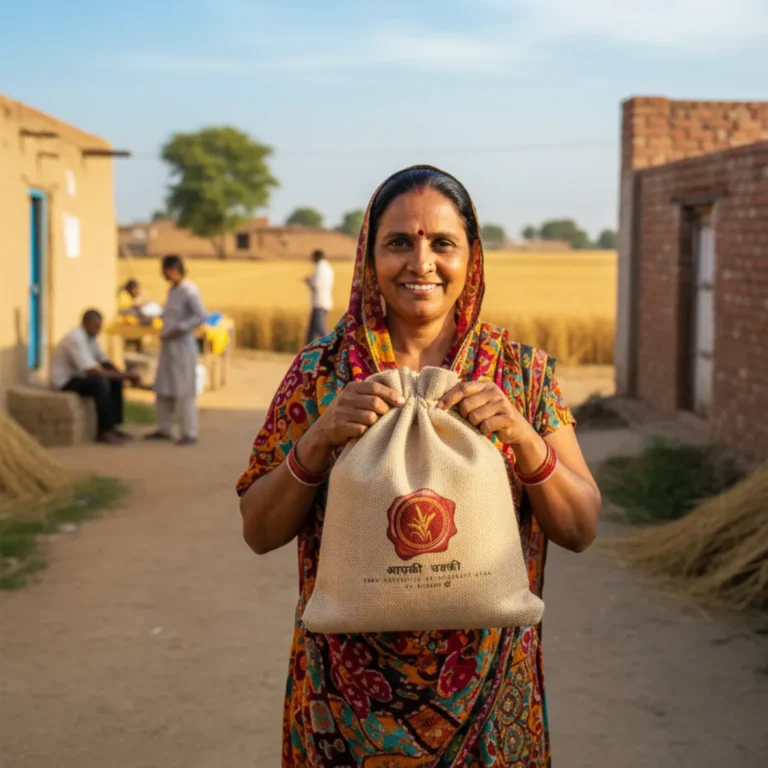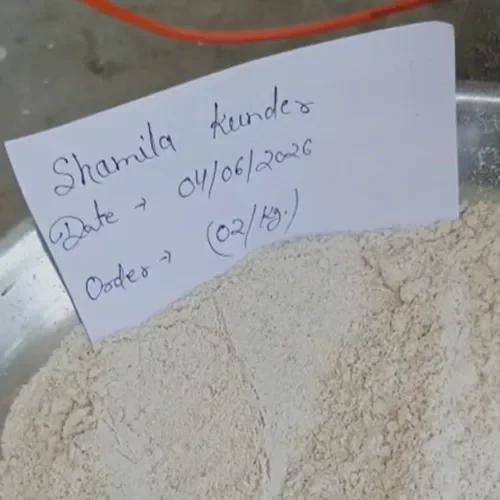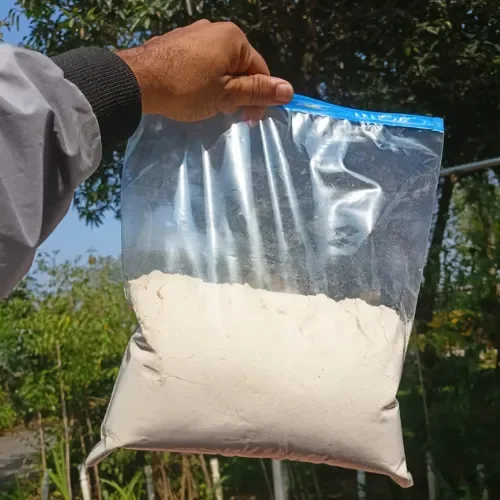
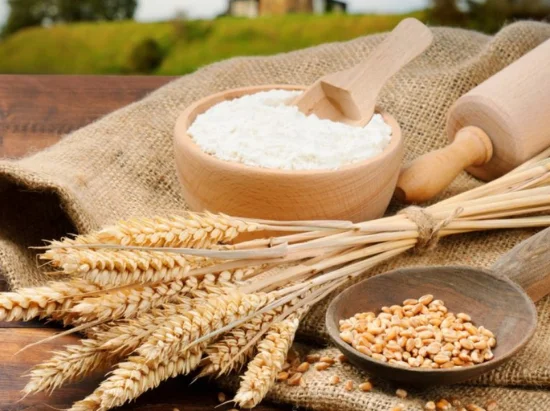
Atta is a type of flour that is primarily made from whole wheat grains, and it forms the backbone of daily diets across India and many South Asian countries. Unlike refined flours, atta is produced by grinding the entire wheat kernel, which includes three essential components: the bran, the germ, and the endosperm. Each of these parts contributes to the nutritional value, texture, and taste of the flour, making atta a wholesome and balanced ingredient.
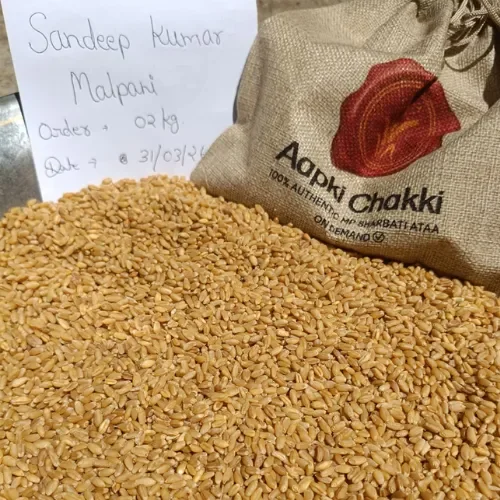
To understand what atta is made from, it’s important to first look at the structure of a wheat grain. The bran is the outer layer of the grain and is rich in dietary fiber, antioxidants, and B vitamins. The germ is the nutrient-dense core that contains healthy fats, vitamin E, and essential minerals. The endosperm, which makes up the largest portion of the grain, is primarily composed of carbohydrates and proteins, including gluten. When wheat is processed into atta, all three of these components are retained, which is why atta is classified as a whole grain flour.
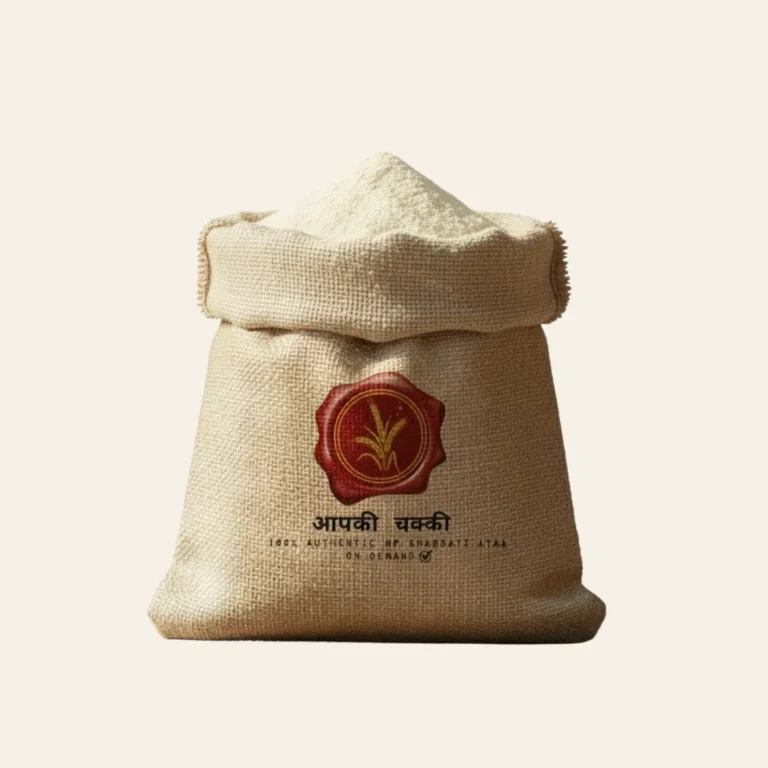
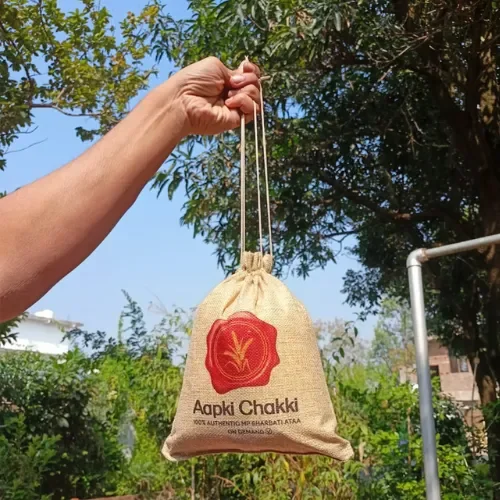
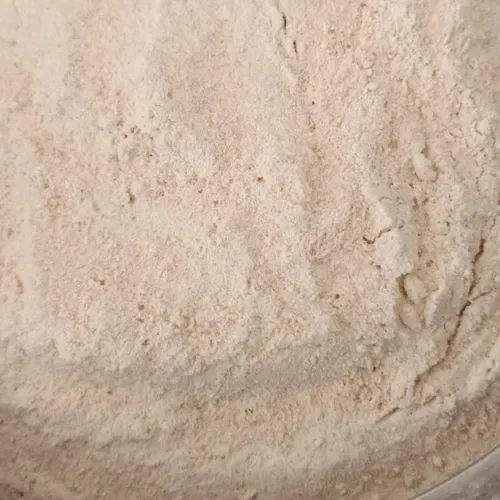
The process of making atta typically involves cleaning high-quality wheat grains and then grinding them into a fine powder. In traditional methods, this grinding is done using stone mills, often referred to as “chakki grinding.” This slow grinding process generates less heat compared to modern roller milling, helping preserve the natural oils and nutrients present in the wheat. The result is a slightly coarse, soft-textured flour that has a natural wheat aroma and a light brown color due to the presence of bran.
The type of wheat used also plays a crucial role in determining the quality of atta. In India, popular wheat varieties such as Sharbati wheat (from Madhya Pradesh) and Lokwan wheat are widely used. Sharbati wheat, in particular, is known for its slightly sweet taste, higher protein content, and ability to produce soft, fluffy rotis. Different regions may prefer different wheat varieties depending on taste, climate, and availability, but the fundamental composition of atta remains the same—whole wheat ground into flour.
In addition to traditional whole wheat atta, there are also variations available in the market today. For example, multigrain atta is made by blending wheat with other grains such as barley, oats, millet (like jowar or bajra), soy, or maize. These blends are designed to enhance the nutritional profile by adding more fiber, protein, and micronutrients. Similarly, organic atta is made from wheat that is grown without the use of synthetic pesticides or fertilizers, appealing to consumers who prefer natural and chemical-free food options.
Another important aspect of atta is its natural gluten content. Gluten is a protein found in wheat that gives dough its elasticity and helps in making soft, pliable rotis and chapatis. Because atta retains the endosperm, it naturally contains gluten, which is essential for the structure and texture of many Indian breads. However, this also means that atta is not suitable for individuals with gluten intolerance or celiac disease, who must opt for gluten-free alternatives.
What truly sets atta apart from other flours is its minimal processing. Unlike refined flour (maida), which undergoes extensive processing that removes the bran and germ, atta is closer to its natural form. This not only preserves its nutritional integrity but also makes it more filling and beneficial for digestion. The fiber content in atta helps regulate bowel movements, maintain blood sugar levels, and promote overall gut health.
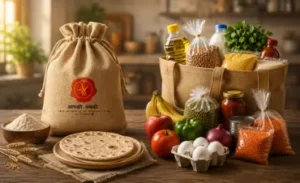
In everyday cooking, atta is incredibly versatile. It is most commonly used to make staples like roti, chapati, paratha, and puri. Its ability to absorb water and form a soft dough makes it ideal for these preparations. The presence of bran also gives a slightly nutty flavor and a wholesome texture to the final product.
In summary, atta is made from whole wheat grains that are ground in a way that retains all their natural components. Its richness in fiber, nutrients, and natural goodness makes it a staple in healthy diets. Whether you are using traditional chakki atta, branded packaged atta, or multigrain variations, the foundation remains the same—pure, whole wheat transformed into a nourishing and versatile flour that supports both taste and health.