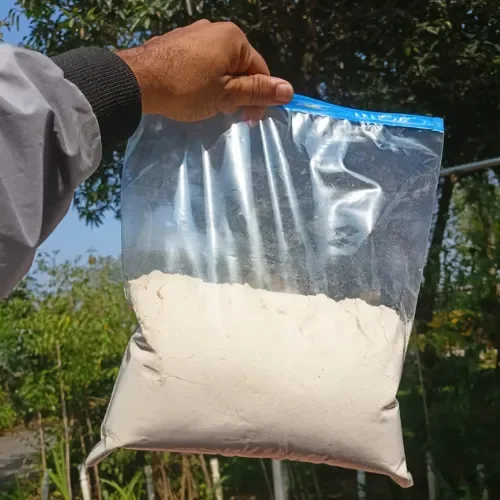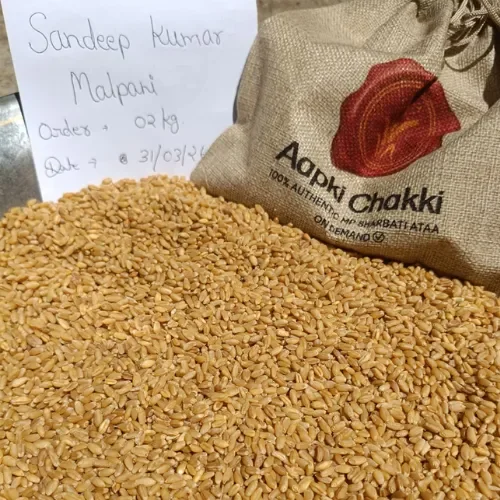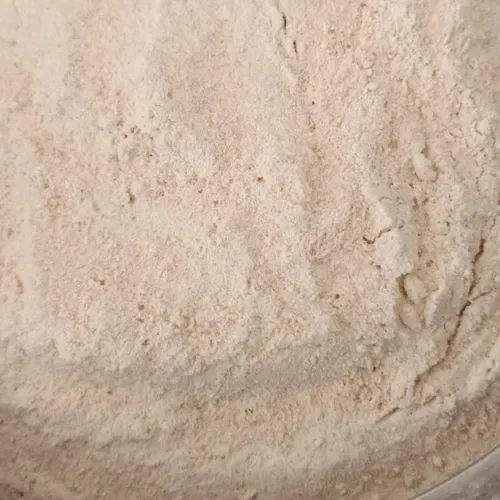
If you’ve ever shopped for flour or followed recipes from different cuisines, you’ve probably wondered whether atta and wheat flour are actually the same thing. While both come from wheat, they are not identical. The differences lie in how they’re processed, their texture, and how they perform in cooking.
This guide breaks it down clearly so you can choose the right flour for your needs.
What Is Atta Flour?
Atta is a type of whole wheat flour commonly used in Indian cooking. It is finely ground and specifically designed for making soft, pliable flatbreads like roti and chapati.
How Atta Is Made
Atta is typically produced by grinding whole wheat grains, including the bran, germ, and endosperm, using stone mills (chakki grinding). This method retains more natural nutrients and gives atta its slightly coarse yet soft texture.
Types of Atta Available
- Whole wheat atta – Standard flour used in most households
- Multigrain atta – Mixed with grains like barley, millet, or oats
- Fortified atta – Enriched with additional nutrients like iron and vitamins
What Is Wheat Flour?
“Wheat flour” is a broad term that refers to any flour made from wheat. It includes several varieties, each processed differently and suited for different recipes.
Different Types of Wheat Flour
- Whole wheat flour – Contains all parts of the grain, similar to atta
- All-purpose flour (maida) – Refined flour with bran and germ removed
- Bread flour – Higher protein content for better gluten development
- Cake flour – Lower protein for softer baked goods
How Wheat Flour Is Processed
Wheat flour can be processed using modern roller mills, which often separate the grain into components before recombining them. In refined flours like all-purpose flour, the bran and germ are removed, resulting in a lighter texture but fewer nutrients.
Key Differences Between Atta and Wheat Flour
Although atta is technically a type of wheat flour, there are important differences that affect cooking results and nutrition.
Nutritional Differences
Atta is generally more nutritious because it retains all parts of the wheat grain. It contains more fiber, vitamins, and minerals compared to refined wheat flour like maida.
Texture and Cooking Uses
- Atta: Slightly coarse, absorbs more water, ideal for soft flatbreads
- Refined wheat flour: Smooth and fine, better for baking cakes, pastries, and bread
Atta dough is softer and more elastic, making it easier to roll into thin rotis. Refined flour dough behaves differently and is better suited for structured baked goods.
Which One Should You Use?
Choosing between atta and wheat flour depends on what you’re cooking and your health goals.
Best Uses for Atta
- Roti, chapati, and paratha
- Poori
- Some traditional Indian snacks
Best Uses for Wheat Flour
- Cakes, cookies, and pastries
- Bread and pizza dough
- Thickening sauces
If you try to swap one for the other, the results may vary. For example, using atta in cakes can make them denser, while using refined flour for roti may result in less softness.