‘Organic’ has become one of the most powerful words in food marketing. But when it comes to atta, does organic certification actually make a meaningful difference to your health and your roti? Here’s an honest, in-depth comparison.
What Makes Atta ‘Organic’?
Organic atta is made from wheat grown without synthetic pesticides, herbicides, or chemical fertilisers. Certified organic wheat must meet standards set by certification bodies — in India, this includes APEDA’s National Programme for Organic Production (NPOP) and the PGS-India system. Internationally, USDA Organic is the most recognised standard. Organic certification also prohibits the use of GMO seeds.
What Is Regular (Conventional) Atta?
Regular atta is produced from conventionally grown wheat, which typically involves synthetic fertilisers (like urea and DAP), pesticides, and herbicides to maximise yield. The resulting wheat may contain residues of these agrochemicals. After harvest, conventional atta production may also use additional chemical treatments during milling and storage.
| Parameter | Organic Atta | Regular Atta |
| Pesticide residue | Minimal / none | May contain trace residues |
| Fertilisers used | Natural compost / manure | Urea, DAP (synthetic) |
| Certification | NPOP / USDA certified | No certification required |
| Nutritional difference | Marginal (debated) | Comparable if whole wheat |
| Price | ₹80–₹200+/kg | ₹30–₹70/kg |
| Availability | Limited, mostly online | Widely available |
| Environmental impact | Lower (soil health) | Higher (chemical runoff) |
| Taste difference | Often more natural | Standard flavour profile |
Organic Atta Brands in India
24 Mantra Organic: One of India’s largest certified organic food brands. Offers whole wheat atta with NPOP certification. Good quality but expensive.
Organic India: A well-known organic brand with certified wheat sourcing. Available in premium stores and online.
Down to Earth: Certified organic atta from small-farmer networks. Smaller brand but genuine organic sourcing.
Pro Nature: Available in select stores in South India. Reasonable quality with organic certification.
The Middle Path: Chemical-Free Without Organic Certification
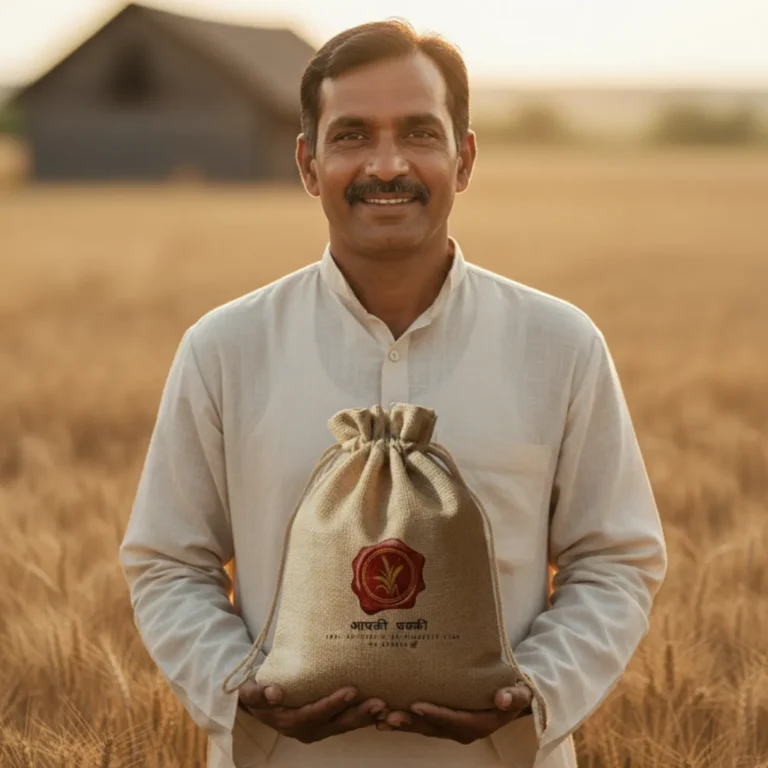
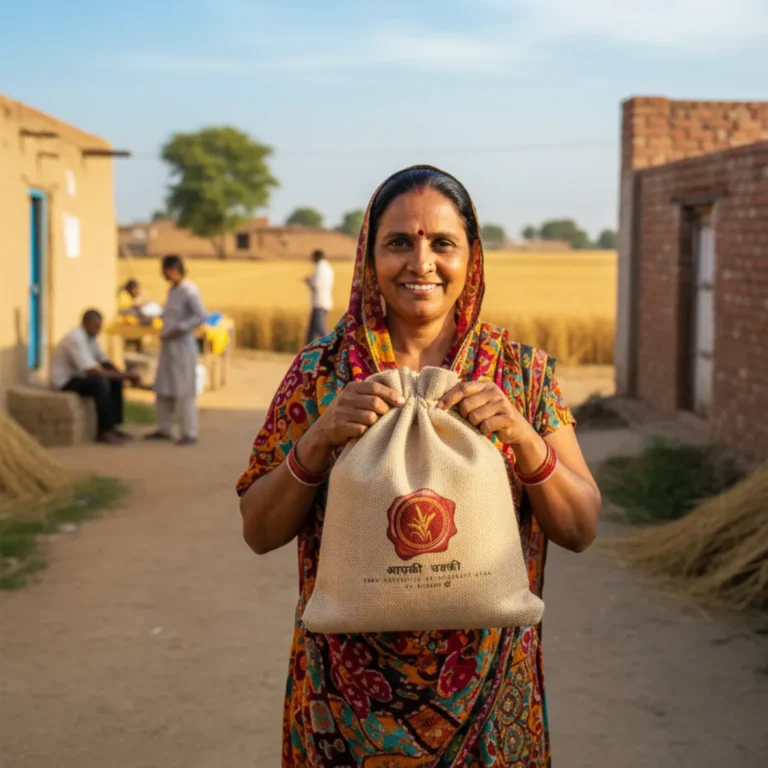
Here’s something the organic atta marketing doesn’t tell you: many small, traditional farming families grow wheat without any synthetic chemicals — simply because they rely on traditional methods passed down through generations. This wheat is genuinely clean and naturally grown, but may not carry a formal organic certificate because certification is expensive and inaccessible for small farmers.
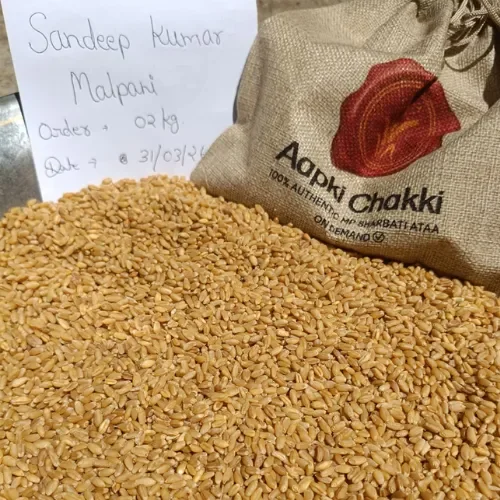
This is especially true of wheat grown in the Sagar belt of Madhya Pradesh — the heartland of MP Sharbati wheat. Farming families here have cultivated this variety for generations without the heavy use of urea, DAP, or insecticides.
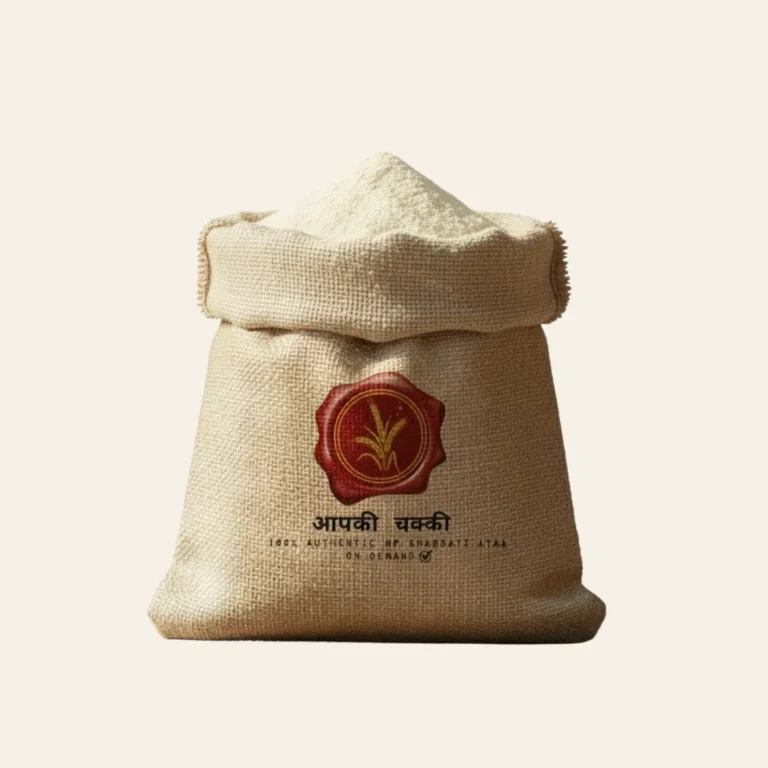
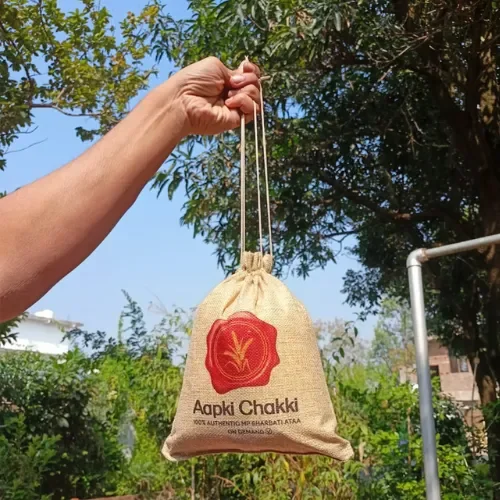
| ⭐ Aap Ki Chakki MP Promise: Our MP Sharbati wheat is sourced directly from generational farming families in the Sagar region who grow without harmful urea, DAP, or insecticides. While we don’t hold a formal organic certificate, our direct farm-to-chakki sourcing ensures you get genuinely clean, chemical-free wheat — at a fraction of certified organic prices. Visit aapkichakki.com |
Verdict
If you can afford certified organic atta and value the certification process, brands like 24 Mantra are reliable choices. However, the nutritional difference between organic and regular whole wheat atta is relatively small. The more important factors are freshness, wheat variety, and the absence of chemical adulterants — all of which you can verify with a trustworthy direct-sourcing brand more easily than with an organic label.