Walk into any grocery store and you’ll find shelves stacked with multigrain atta options. The marketing is compelling — more grains means more health benefits, right? But the reality is more nuanced. Let’s compare multigrain atta and whole wheat atta across all the parameters that matter.
What Is Whole Wheat Atta?
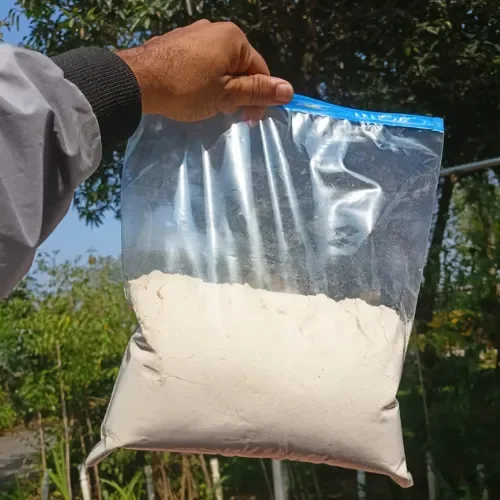
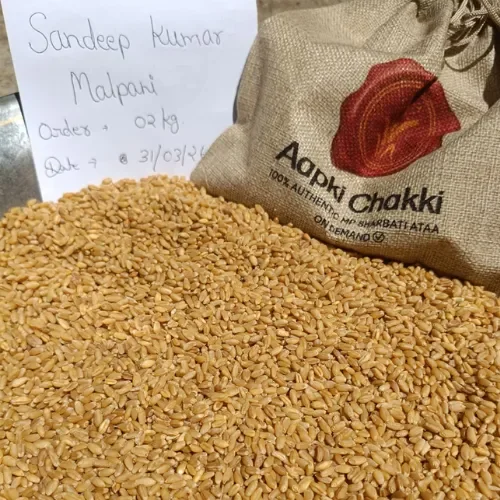
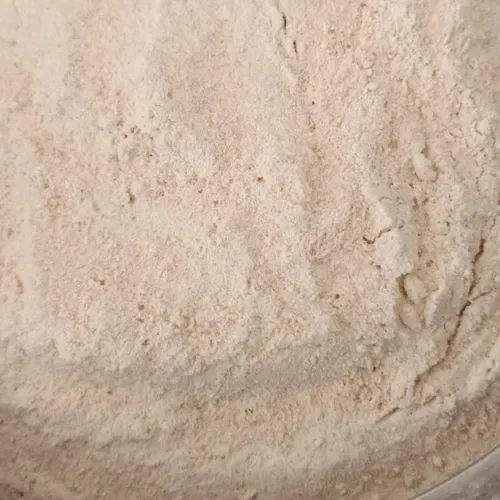
Whole wheat atta is made from the entire wheat grain — the bran (outer layer), the endosperm (starchy middle), and the germ (nutrient-rich core). When properly stone-ground, it retains all the natural fibre, vitamins, and minerals of the original wheat kernel. It is the traditional staple of Indian households and the foundation of everyday rotis.
What Is Multigrain Atta?
Multigrain atta is a blend of wheat flour with other grains and seeds — commonly including ragi (finger millet), jowar (sorghum), bajra (pearl millet), oats, soy, flaxseeds, and barley. The exact composition varies significantly between brands. Some multigrain attas are made from whole grains; others use refined flours with added grain powders — making the label misleading.
Comparing Multigrain vs Whole Wheat Atta
| Parameter | Multigrain Atta | Whole Wheat Atta |
| Primary ingredient | Wheat + multiple grains | 100% whole wheat |
| Fibre content | Higher (if whole grain) | Good (bran intact) |
| Protein content | Varies by grain mix | Consistent (~12–13%) |
| Taste | Slightly earthy/nutty | Natural wheat flavour |
| Roti texture | Denser, may crack | Soft, pliable, fluffy |
| Digestibility | Can be harder to digest | Easier to digest |
| Children / elders | May not suit all | Universally suitable |
| Authenticity | Composition varies by brand | Pure wheat — easy to verify |
| Best for | Variety & specific nutrition | Daily family use |
The Hidden Problem with Branded Multigrain Atta
Many multigrain atta products from brands like Aashirvaad Multigrain, Nature Fresh, and Patanjali Multigrain contain a very small percentage (often 10–20%) of the secondary grains, with refined wheat making up the bulk. This means the nutritional benefit you’re paying for may be marginal. Always check the ingredient label and the grain percentages.
When to Choose Multigrain Atta
- If a family member has specific nutritional needs (e.g., high iron from ragi, omega-3 from flaxseed)
- If you want dietary variety beyond standard wheat
- If recommended by a nutritionist for a specific health condition
When to Choose Whole Wheat Atta
- For daily family use — soft, consistent rotis that everyone loves
- For children and elderly family members who need easily digestible food
- When you want to know exactly what you’re eating with full transparency
- When freshness and flavour are priorities
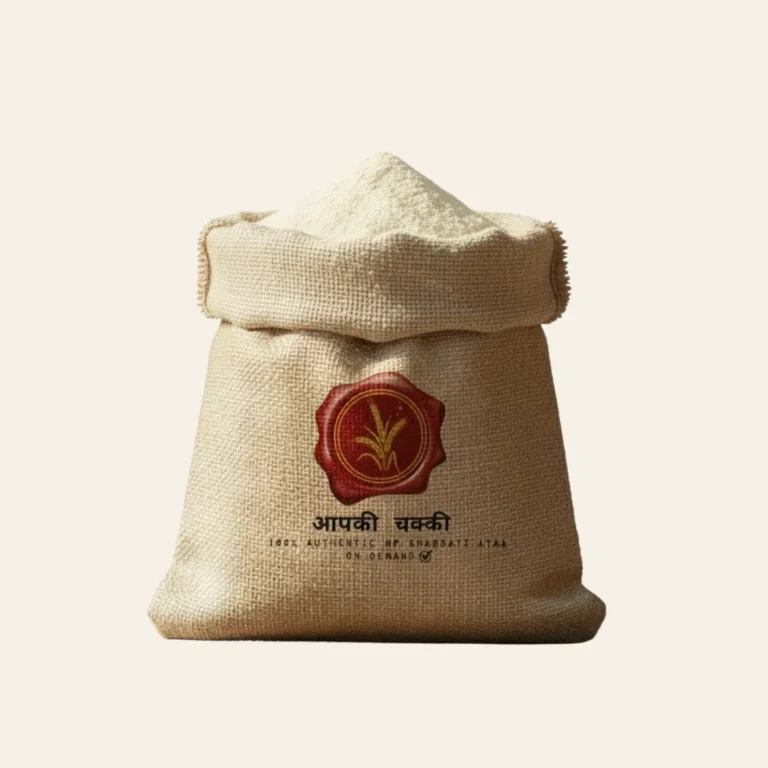
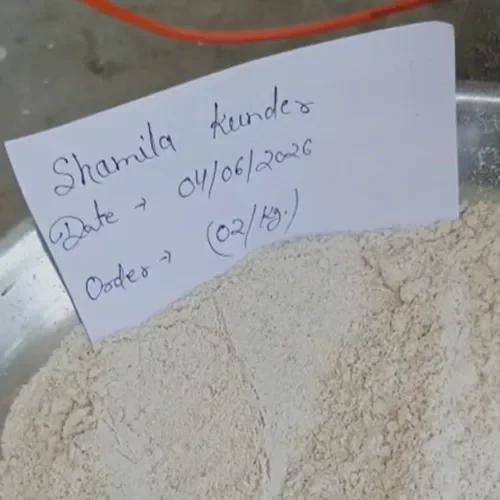
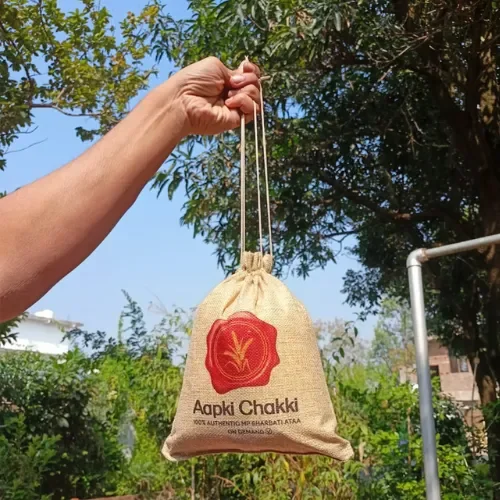
| ⭐ Aap Ki Chakki MP Focus: We specialise in 100% pure MP Sharbati whole wheat atta — freshly stone-ground after your order. Our Sharbati wheat is naturally sweeter, softer, and more nutritious than standard wheat. For specific nutritional needs, consult your dietitian — but for everyday perfect rotis, our fresh whole wheat atta is hard to beat. Visit aapkichakki.com |
Verdict
Whole wheat atta is the more reliable, consistent, and universally suitable choice for daily use. Multigrain atta can add nutritional variety if you choose a genuine whole-grain blend — but beware of branded multigrain products that are mostly refined wheat with token grain additions. Quality whole wheat atta from a trusted, fresh source will serve your family better than a misleading multigrain label.