
Why Are My Khapli Rotis Tearing or Not Stretching?
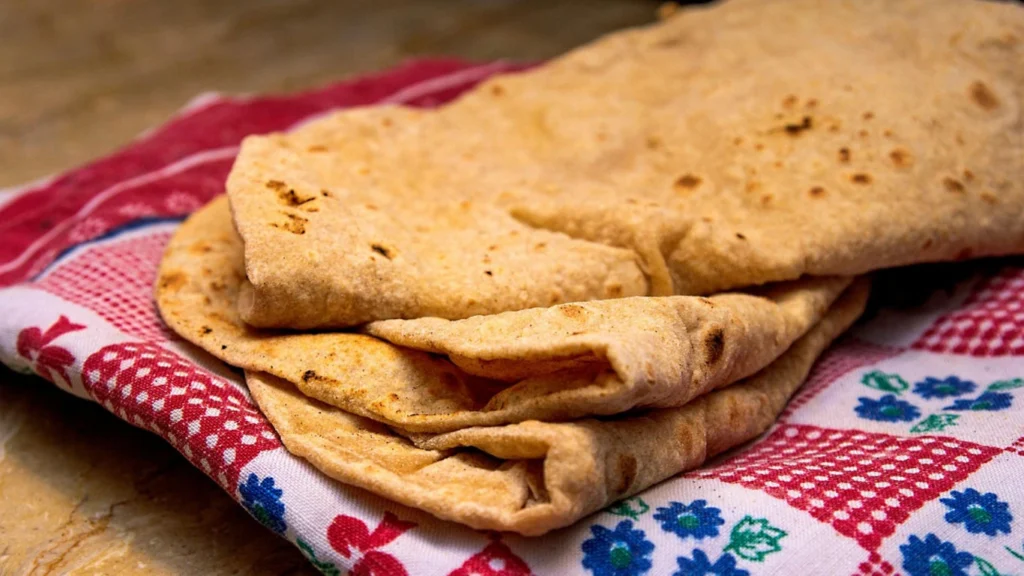
Moving from health research to actual cooking brings many users to a frustrating realization, prompting the urgent question: “Why are my Khapli rotis tearing or not stretching?” The root cause is entirely structural. Khapli wheat possesses an incredibly fragile, low-elasticity gluten network. In the kitchen, this means the dough completely lacks the tensile strength required […]
How Does Khapli Compare to Multigrain Atta?
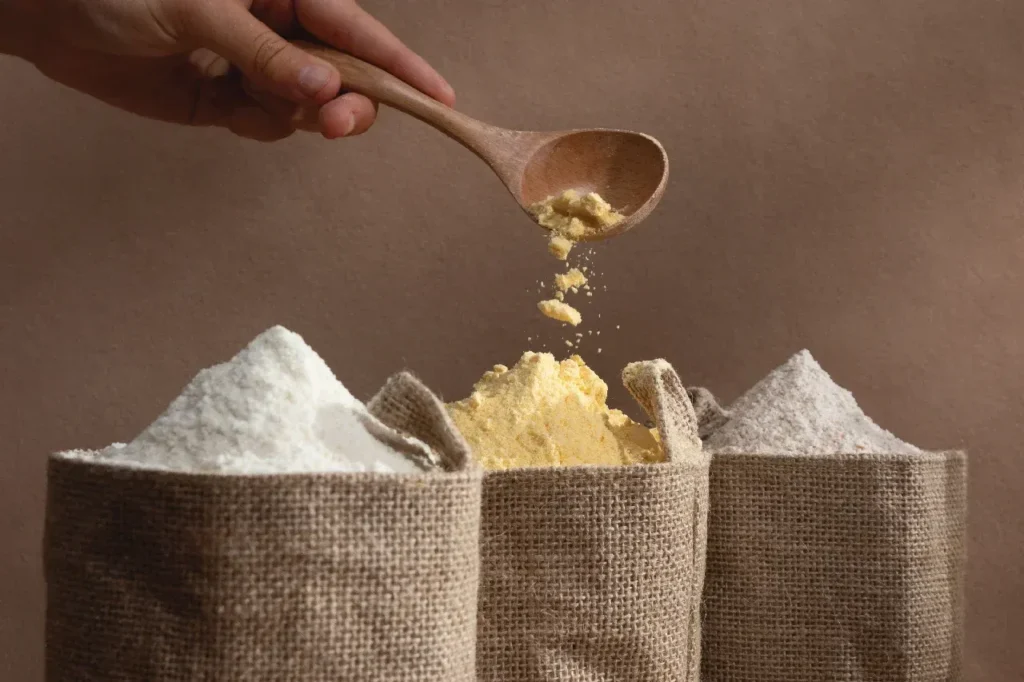
As wellness trends evolve, many homemakers find themselves trapped in a dilemma, asking: “How does Khapli compare to Multigrain Atta?” This question highlights a common struggle: the search for maximum nutrition within a single meal. Khapli wheat offers a single, rigid ancient grain profile that lacks versatility, while commercial multigrain flours are frequently an unscientific […]
What Is the Difference Between Khapli Wheat and Regular Wheat (Sarbati/Lokwan)?
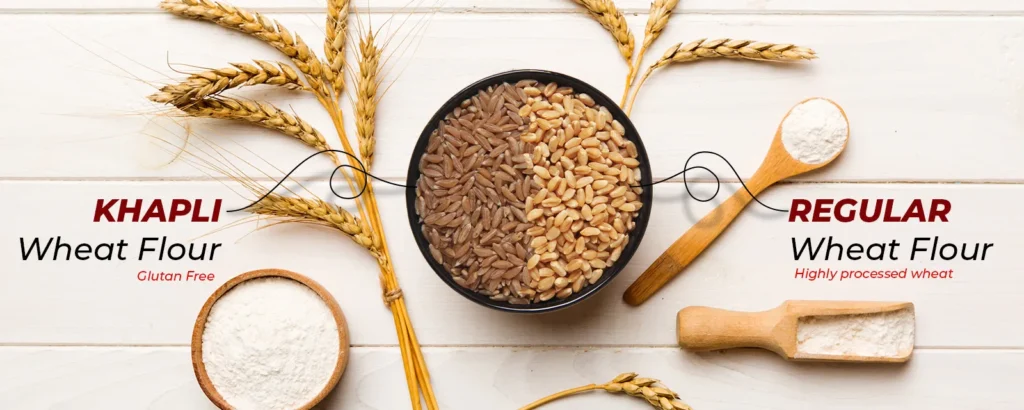
When exploring the flour aisle or looking at premium options online, consumers constantly ask: “What is the difference between Khapli Wheat and regular wheat like Sharbati or Lokwan?” The fundamental differences lie in their genetic history, cultivation methods, and how they perform in your body and your kitchen. Khapli is a primitive, two-rowed hulled wheat […]
Does Khapli Atta Cause Bloating or Gas?
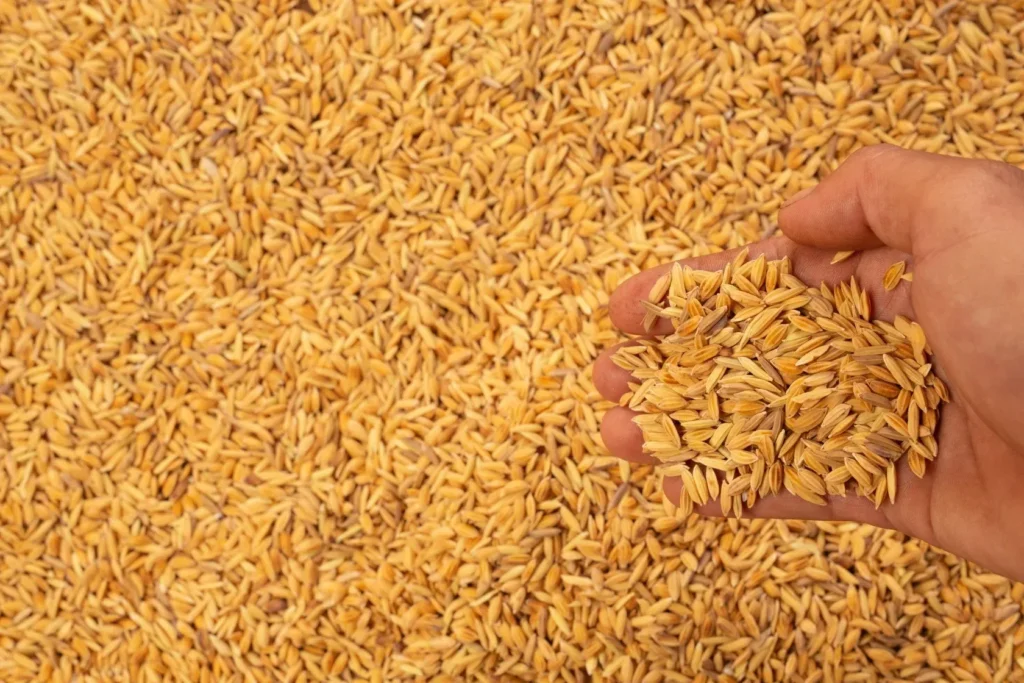
A major driving factor behind people researching alternative grains is everyday digestive discomfort. Many individuals ask: “Does Khapli Atta cause bloating or gas?” The answer surprises many health-conscious shoppers. While ancient Emmer wheat is often marketed as a cure-all for digestion, its incredibly high concentration of coarse, dense insoluble fiber can actually backfire on the […]
Is Khapli Wheat Completely Gluten-Free?
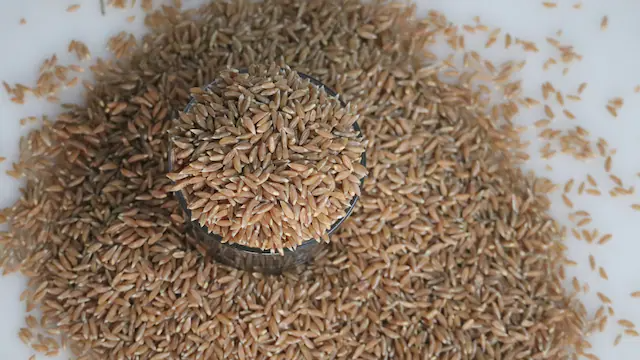
With the massive rise of global awareness around gut health and food sensitivities, thousands of consumers are asking: “Is Khapli Wheat completely gluten-free?” It is critical to address this question with absolute honesty and transparency, especially because massive misinformation online often leads people to make dangerous dietary mistakes. Khapli wheat is absolutely not gluten-free. It […]
Is Khapli Wheat Safe for Diabetics?
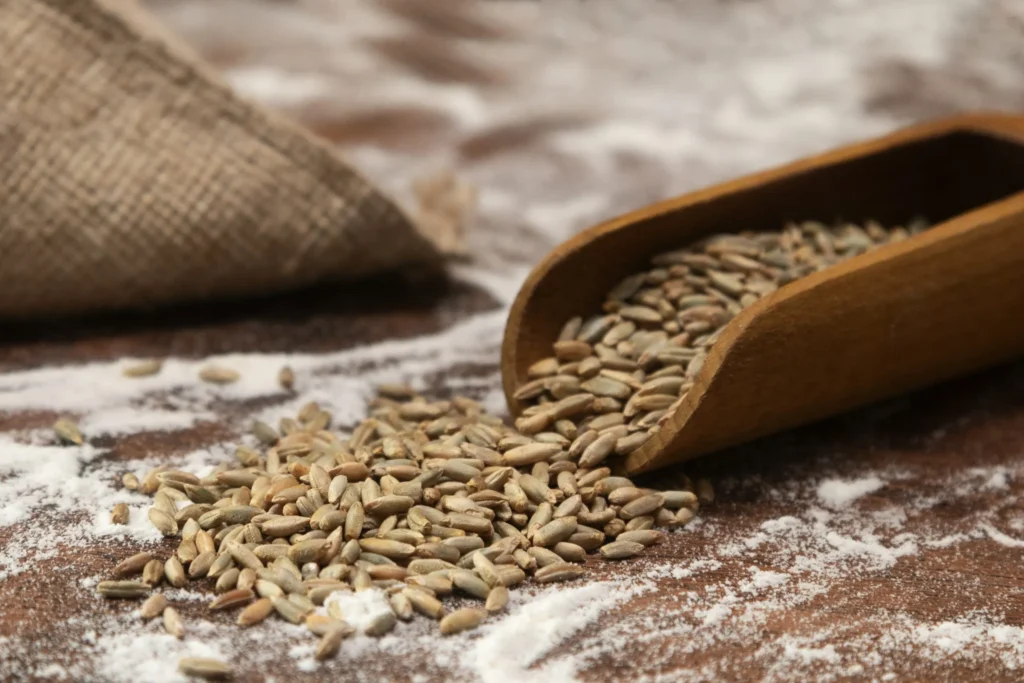
For millions of households across India looking for reliable ways to manage fluctuating blood sugar levels, finding the perfect grain for daily rotis is a top priority. When people discover ancient grains, one of the most frequently asked questions is: “Is Khapli Wheat safe for diabetics?” While many online health articles praise Khapli wheat (Emmer) […]
How Can Big Bazaar and Some Mega Marts in India Sell Products at Very Low Cost While Online Sites Cannot?

Large physical retailers like Big Bazaar (now Smart Bazaar under Reliance) and DMart achieve low prices through several structural advantages: Massive bulk buying power: They buy directly from manufacturers like ITC in enormous volumes, negotiating prices and margins unavailable to smaller players or online retailers. Everyday Low Price (EDLP) model: D-Mart focuses primarily on value-based […]
My Husband Has Recently Been Diagnosed with Diabetes — Which Atta Would You Recommend?
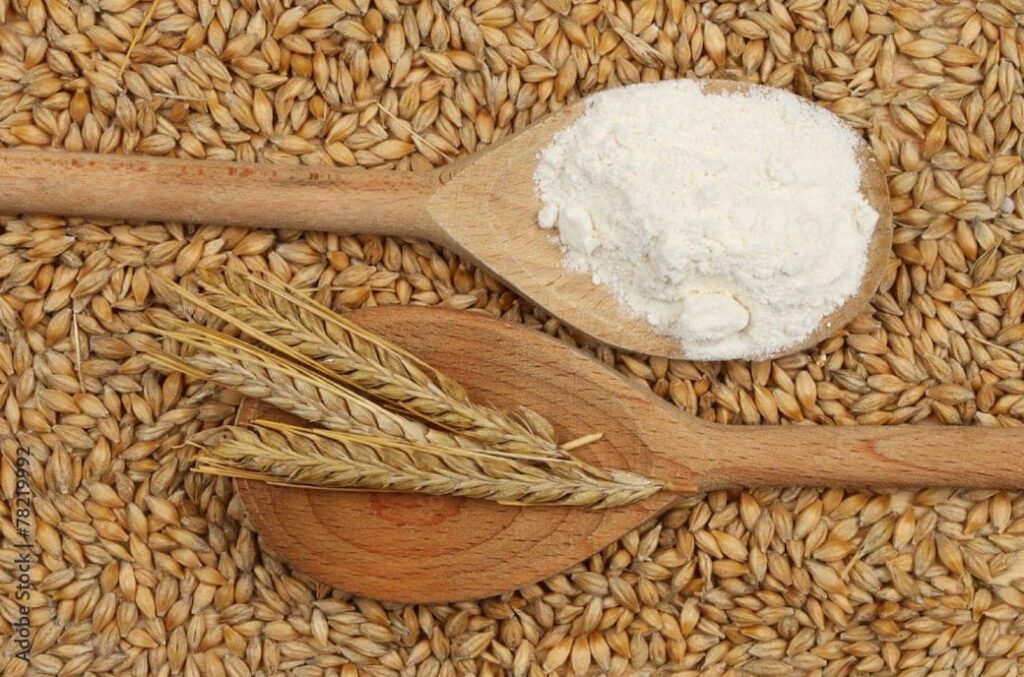
First, please consult your husband’s doctor or a registered dietitian for personalised advice. As a general evidence-based guidance: Research shows that when 100% of the wheat bran is retained in the atta, significantly more dietary fibre is present. An Indian study found that wheat bran supplementation lowered fasting glucose levels by an average of 22.8 […]
How Do I Start a New Atta Business? What Is an Atta Brand Name?
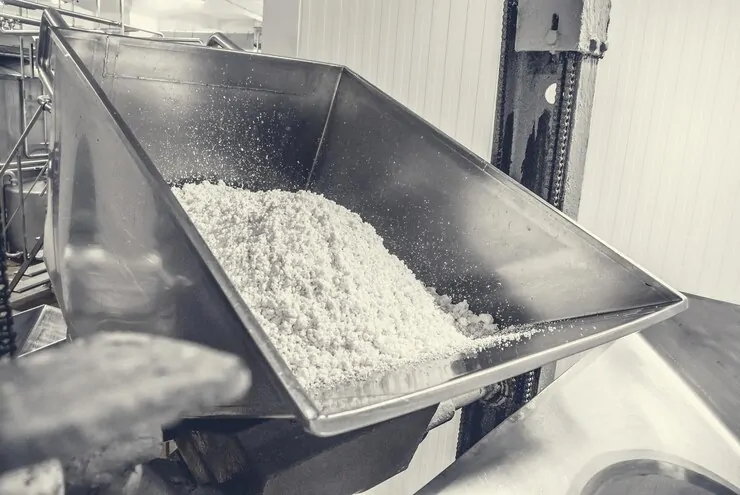
Starting an atta business in India is a promising venture given the enormous daily demand. Here’s a practical roadmap: Steps to start: Choose your niche — standard whole wheat, multigrain, organic, diabetic, or fresh-ground. Source wheat — directly from farmers in MP, Rajasthan, or Punjab for quality grain. Milling equipment — chakki stone mill (traditional) […]
Do You Know of Any Atta with More Nutritional Benefits Than Just Wheat?
Absolutely — several grains and blends significantly outperform plain whole wheat atta in nutritional density: Ragi (Finger Millet) Atta: Exceptionally high in calcium (good for bones), has a low GI, and is rich in amino acids. Bajra (Pearl Millet) Atta: Rich in iron, magnesium, and zinc; warming nature makes it excellent in winter. Jowar (Sorghum) […]