
Large physical retailers like Big Bazaar (now Smart Bazaar under Reliance) and DMart achieve low prices through several structural advantages:
- Massive bulk buying power: They buy directly from manufacturers like ITC in enormous volumes, negotiating prices and margins unavailable to smaller players or online retailers.
- Everyday Low Price (EDLP) model: D-Mart focuses primarily on value-based essentials at competitive prices, with stores that are compact, functional, and optimised for quick purchases — a model built around consistently low pricing rather than promotional discounts.
- Zero last-mile delivery cost: When you walk into a Big Bazaar, you carry your own purchase home. Online platforms bear ₹30–80 per order in delivery costs, which must be recovered somewhere.
- Cross-subsidisation: When you buy candy for ₹5 and another customer buys a ₹40,000 television, the retailer’s cost to serve both is similar — high-margin items cross-subsidize low-margin everyday groceries.
- Own-brand private labels: Mega marts sell their house brands at steep discounts to drive footfall.
Early e-commerce platforms offered lower prices than offline stores, but today quick-commerce apps like Blinkit are often slightly more expensive than Big Bazaar for identical SKUs due to convenience premiums.
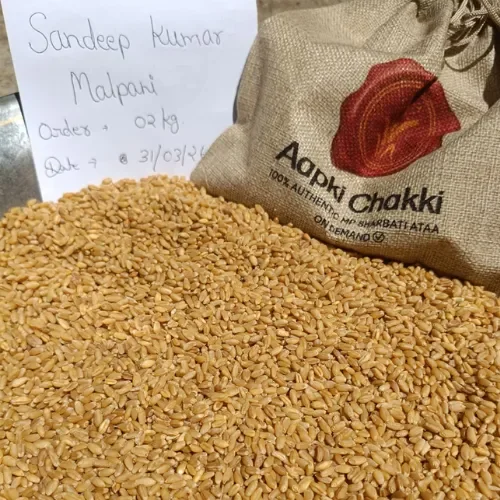
For atta specifically, buying directly from a fresh-milling D2C brand like AapkiChakki.com eliminates the retailer margin entirely — you pay for freshness, quality, and direct-from-source value, often at prices competitive with or better than what you’d find on online grocery platforms, with far superior nutritional quality.