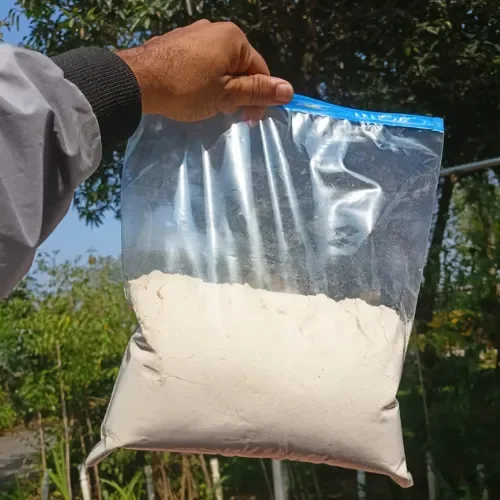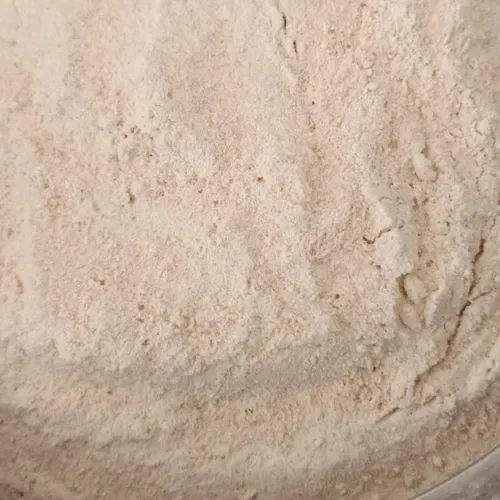
Freshness in atta can be determined through smell, texture, and performance. Fresh atta has a mild, earthy aroma and feels slightly warm if recently milled. If the flour smells rancid or sour, it is likely old. Texture is another indicator—fresh atta feels soft yet slightly coarse due to bran content, while stale atta may feel dry or overly powdery.
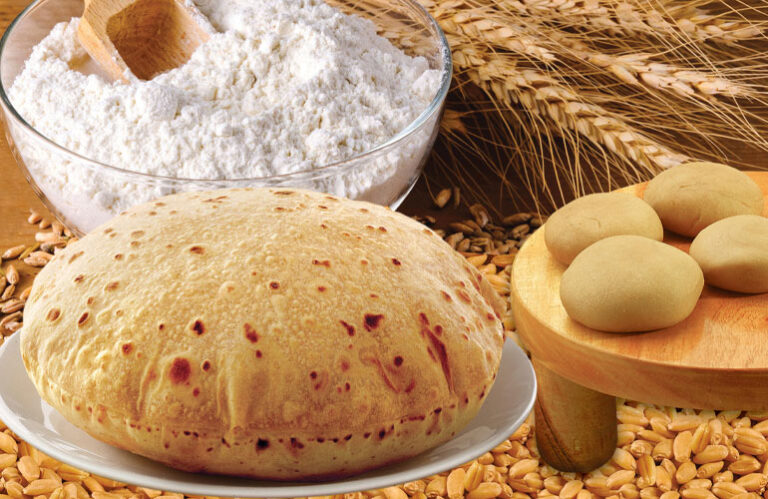
A practical test is kneading dough. Fresh atta absorbs water evenly and produces soft, pliable dough that results in fluffy rotis. Stale atta, on the other hand, may require more water and produce dense or hard rotis. You can also check the color—fresh atta maintains a natural wheat tone, while older flour may appear dull.
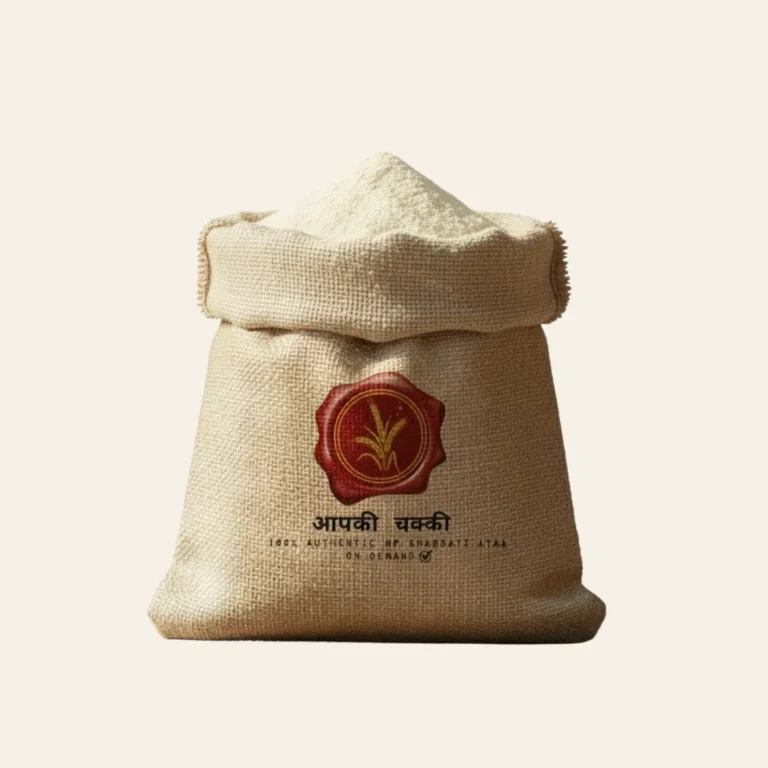
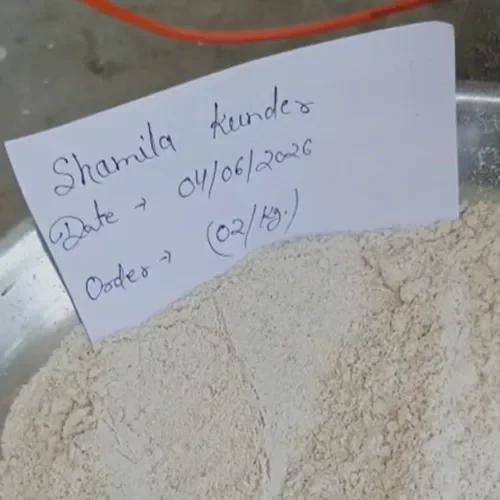
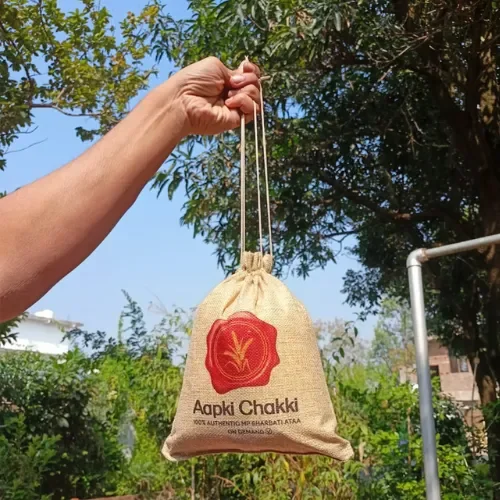
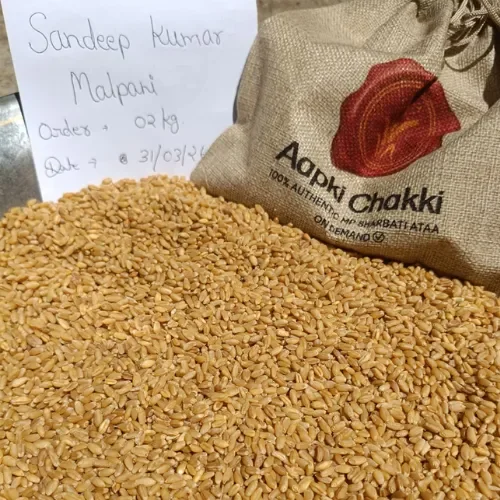
Aap Ki Chakki MP prioritizes freshness by grinding wheat in small batches and minimizing storage time. Their atta reaches customers quickly, preserving its natural oils and nutrients. Buying directly from https://sandybrown-hornet-228587.hostingersite.com ensures you receive freshly milled flour rather than stock that has been sitting on shelves for months.
Ultimately, freshness is about time and storage. Always check aroma, texture, and dough quality, and choose brands that emphasize quick production-to-delivery cycles.