
Can atta expire?
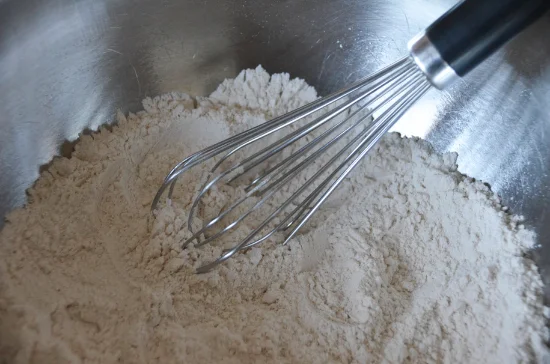
Yes, atta can expire, especially whole wheat atta. Unlike refined flour, whole wheat contains natural oils that can degrade over time, leading to rancidity. Expired atta often develops a sour or unpleasant smell, changes in color, and poor dough quality. Consuming such atta may not be harmful immediately but can affect taste and nutritional value. […]
How long does atta last?
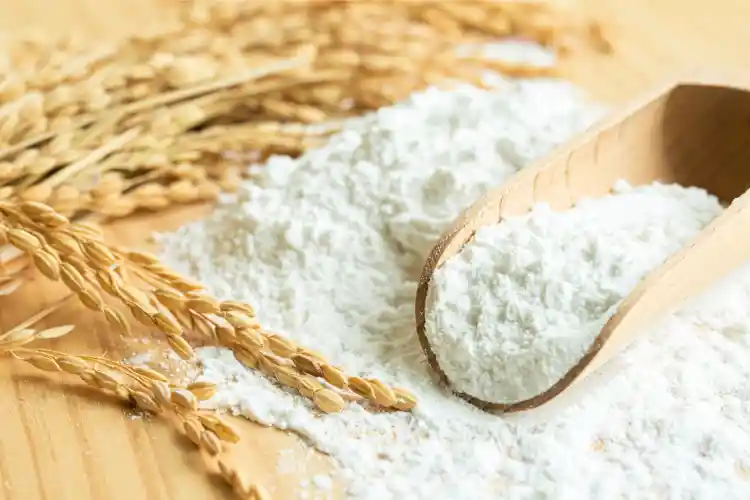
The shelf life of atta depends on its processing and storage conditions. Whole wheat atta, which contains natural oils, typically lasts 1 to 3 months at room temperature. These oils can turn rancid over time, especially in warm or humid environments. Refined flour may last longer because it lacks bran and germ, but it also […]
How to check freshness of atta?
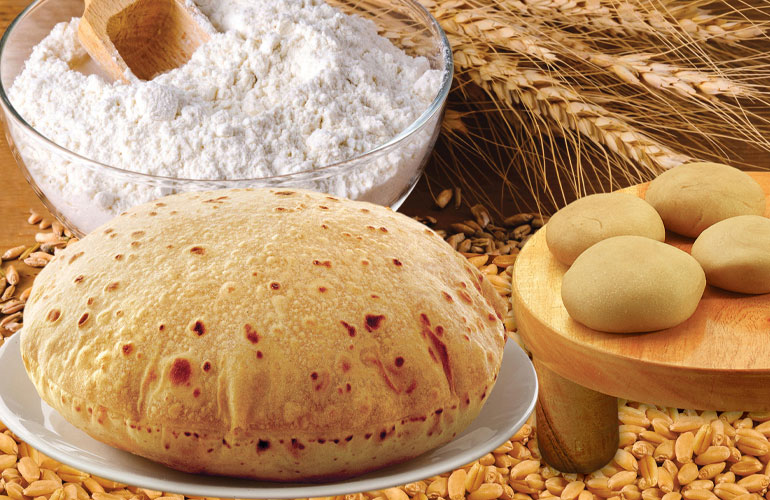
Freshness in atta can be determined through smell, texture, and performance. Fresh atta has a mild, earthy aroma and feels slightly warm if recently milled. If the flour smells rancid or sour, it is likely old. Texture is another indicator—fresh atta feels soft yet slightly coarse due to bran content, while stale atta may feel […]
Why does atta smell different sometimes?
The smell of atta can vary due to several factors, including freshness, storage conditions, and wheat quality. Fresh atta typically has a mild, nutty aroma. However, if it smells sour, musty, or oily, it may be stale or improperly stored. This happens because the natural oils in whole wheat can oxidize over time, especially when […]
Does atta contain chemicals or preservatives?
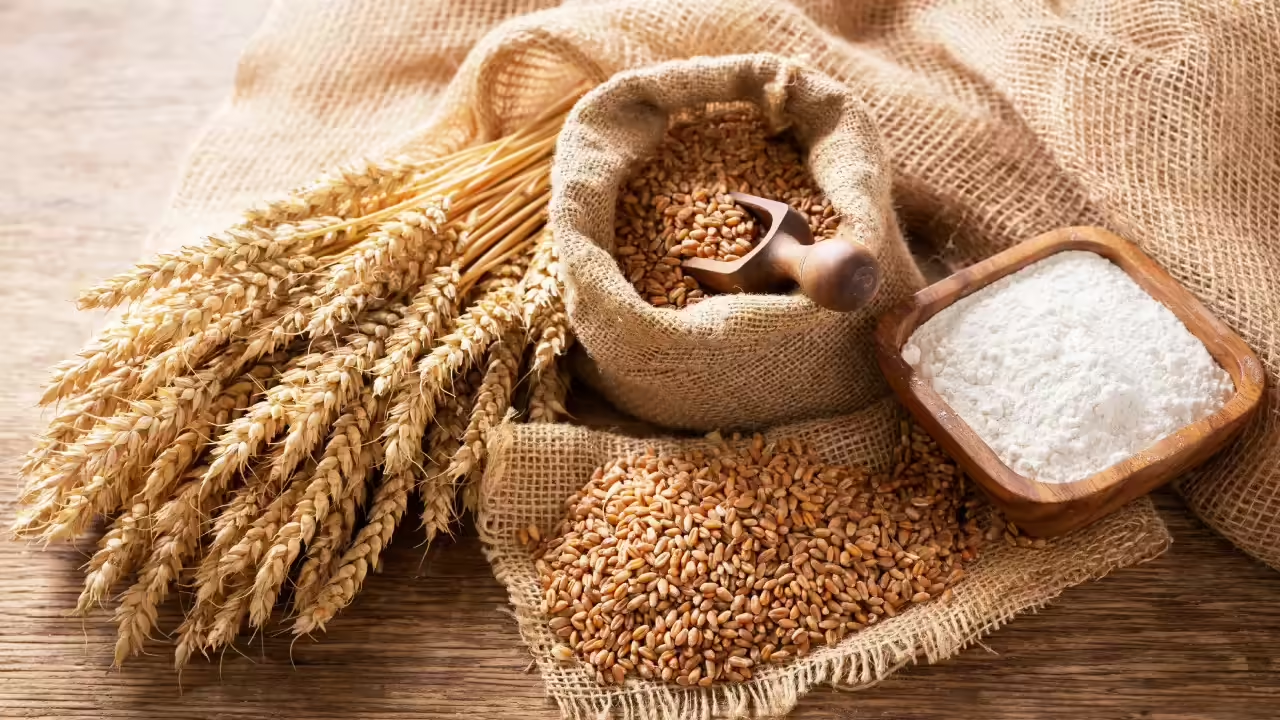
Traditionally milled atta does not require chemicals or preservatives. However, in large-scale commercial production, some manufacturers may use additives to improve shelf life, texture, or appearance. These can include bleaching agents or anti-caking chemicals, especially in highly refined flours. Such additives can reduce nutritional value and alter taste. Pure whole wheat atta, especially stone-ground varieties, […]
How to identify adulterated atta?
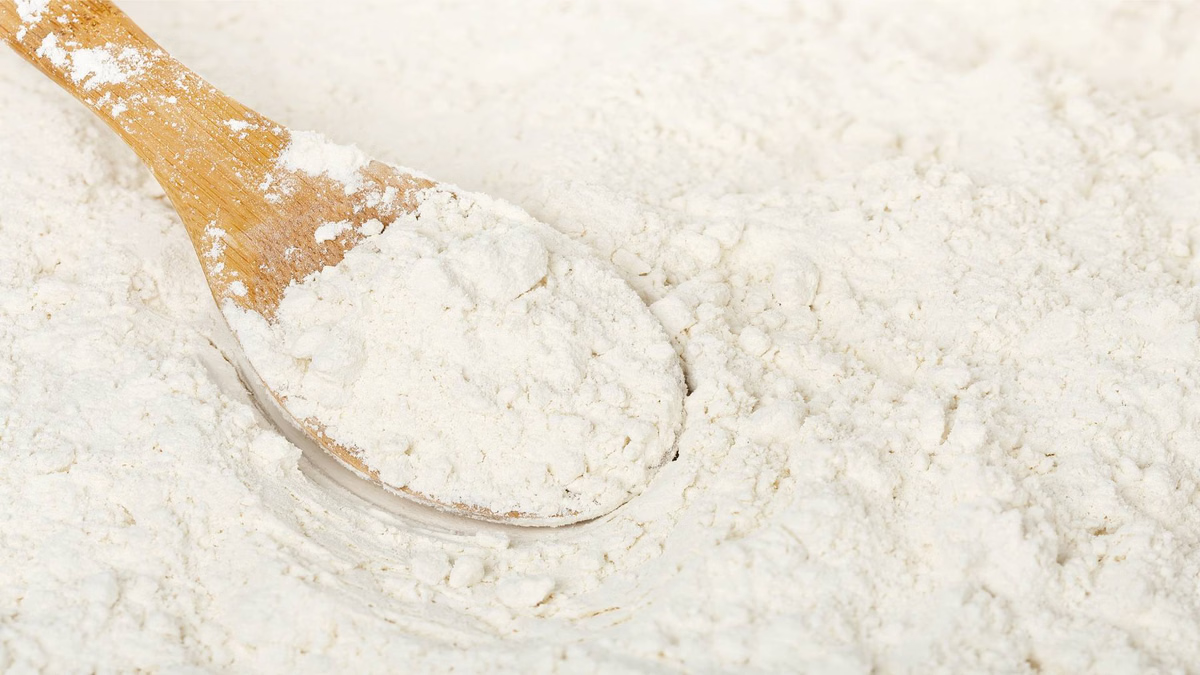
Adulteration in atta often involves mixing cheaper flours like maize, rice powder, or even chalk powder to increase volume. One simple way to detect this is through the water test: mix a small quantity of atta in a glass of water. Pure atta settles evenly, while adulterants may float or separate. Another method is texture […]
How to check if atta is pure?
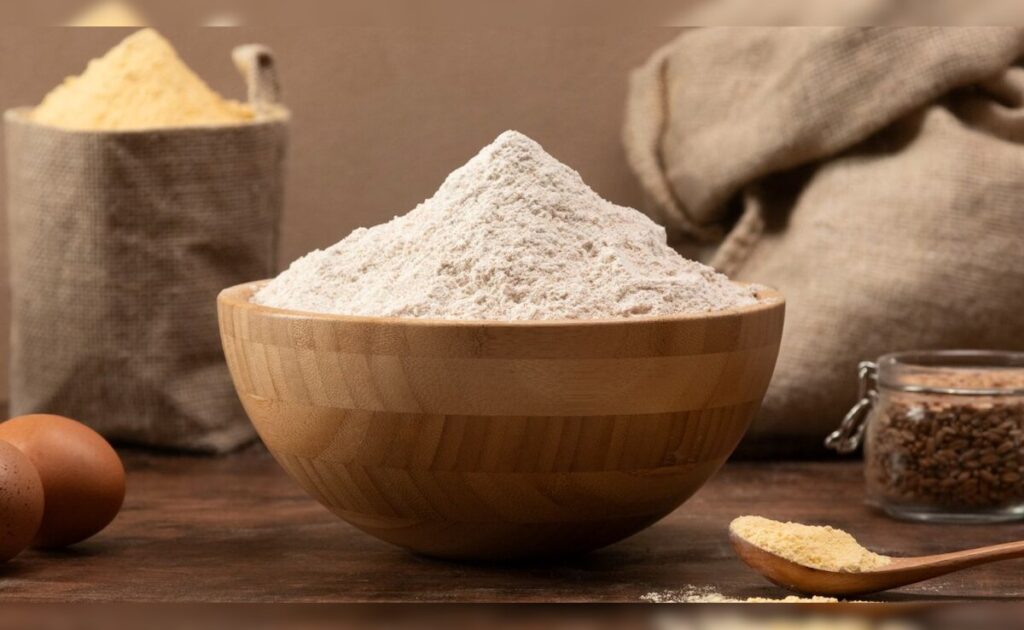
Pure atta can be identified through simple sensory and practical checks. First, observe the color—authentic whole wheat atta usually has a slightly off-white or light brown shade, not stark white. A very bright color may indicate excessive refining or bleaching. Next, touch the flour; pure atta feels slightly coarse due to bran content, whereas overly […]