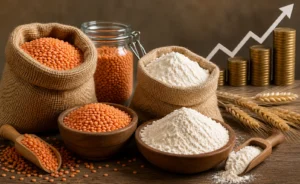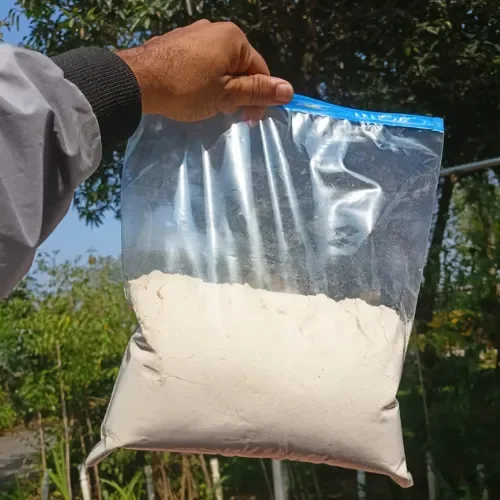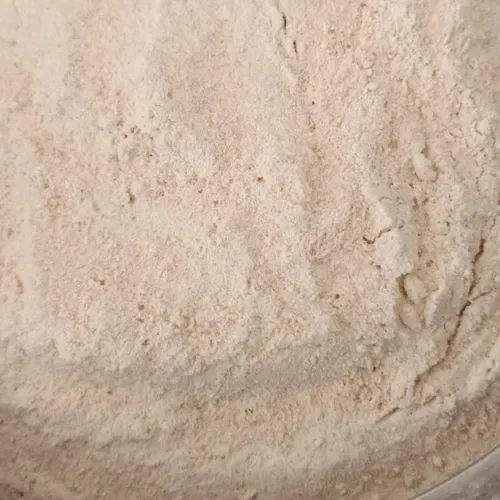
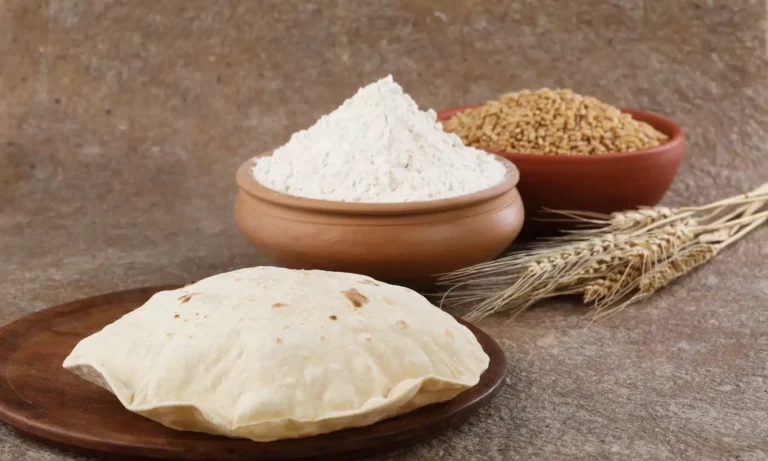
Atta (whole wheat flour) is milled from the entire wheat kernel, retaining the bran, germ, and endosperm. Regular flour (maida), on the other hand, is heavily refined — the bran and germ are stripped away, leaving only the starchy endosperm. This fundamental difference in composition is what makes atta far more suitable for making roti.
The gluten structure in atta is uniquely suited for roti-making. It creates a pliable, elastic dough that can be rolled out thin without tearing. When placed on a direct flame, the roti puffs up beautifully — a result of steam getting trapped between its layers. Maida dough, despite being smoother, lacks this structural behavior and tends to produce flatbreads that are too soft and don’t puff up the same way.
Atta also absorbs water differently, producing a dough that is soft and workable without becoming overly sticky or stiff. This makes it easy to knead and roll, which is essential for getting evenly thin rotis.
In terms of taste, atta lends a slightly nutty, earthy flavor that pairs naturally with Indian curries and dals. Maida rotis feel bland and gummy in comparison.
Finally, atta is nutritionally superior — being whole grain, it is rich in fiber, B vitamins, and essential minerals, making roti a wholesome everyday staple rather than just a filler.