MP Sharbati wheat is one of India’s most sought-after wheat varieties, valued for its soft texture, natural sweetness, and superior grain quality. However, increasing demand has also led to widespread mislabeling and adulteration. This guide explains what MP Sharbati wheat truly is, why it is considered premium, and how buyers can reliably identify genuine Sharbati wheat sourced from Madhya Pradesh.
What Is MP Sharbati Wheat?
Origin of Sharbati Wheat in Madhya Pradesh
Sharbati wheat is a traditional wheat variety grown in central Madhya Pradesh, particularly in districts such as Sehore, Vidisha, Raisen, and parts of Hoshangabad. These regions have black cotton soil (regur soil), moderate winter temperatures, and low humidity during grain maturity—conditions that are scientifically known to influence grain density and starch composition.
Agricultural studies and state crop data consistently identify Sehore and nearby districts as the primary belt for Sharbati-type wheat cultivation, which is why the term “MP Sharbati” is used in grain markets across India.
Key Characteristics of MP Sharbati Wheat
MP Sharbati wheat is known for:
- Naturally golden grains without artificial polishing
- Higher grain weight and density compared to many commercial wheat varieties
- Soft endosperm, which produces finer flour
- Lower hardness, making it suitable for chapatis and rotis
These characteristics are the result of soil quality and climate, not genetic modification or chemical treatment.
Why MP Sharbati Wheat Is Considered Premium Quality
Taste, Texture, and Nutritional Value
One of the most documented qualities of Sharbati wheat is its naturally mild sweetness. Food science literature attributes this to carbohydrate composition and starch quality, not added sugars. When ground into atta, Sharbati wheat produces:
- Softer chapatis
- Better puffing
- Reduced need for kneading effort
In terms of nutrition, Sharbati wheat generally contains comparable or slightly higher protein levels than average market wheat, along with naturally occurring dietary fiber, iron, and B vitamins—values consistent with whole wheat grown under low chemical input conditions.
Difference Between Sharbati Wheat and Regular Wheat
Regular market wheat is often:
- Sourced from multiple states
- Mixed across varieties
- Treated for long-distance storage
In contrast, genuine MP Sharbati wheat:
- Comes from a specific geographic belt
- Has uniform grain appearance
- Requires less processing to achieve good flour quality
This difference is why Sharbati wheat commands a premium price and is preferred for daily household consumption.
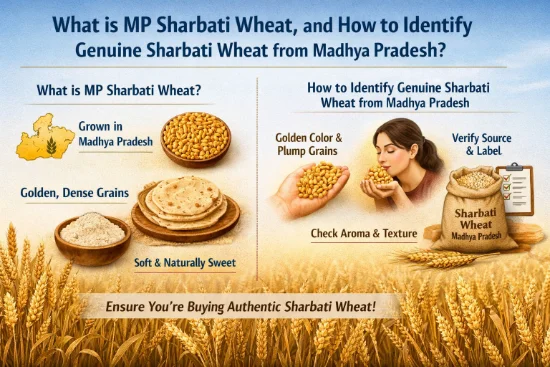
How to Identify Genuine Sharbati Wheat from Madhya Pradesh
Physical Features of Authentic Sharbati Wheat
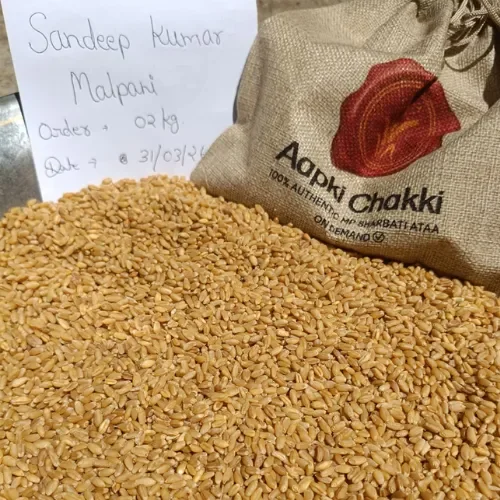
Visually, genuine Sharbati wheat has:
- A distinct golden to amber color
- Plump, oval-shaped grains
- Noticeable heaviness when held in hand
The grains should appear uniform, not mixed with smaller or darker kernels. Excessive shine can indicate artificial polishing, which is not typical of authentic Sharbati wheat.
Aroma, Color, and Grain Size Indicators
Fresh MP Sharbati wheat has a clean, earthy aroma. There should be:
- No chemical smell
- No mustiness or damp odor
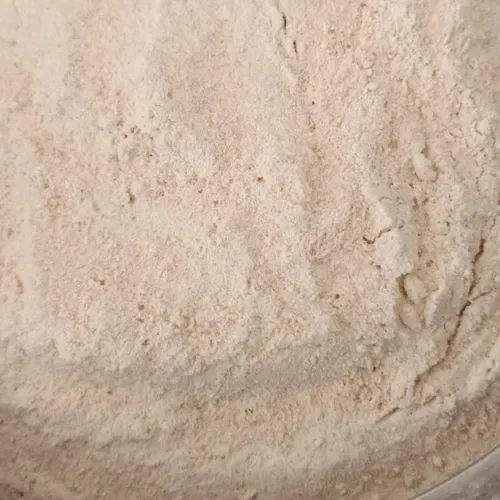
When ground into flour, the atta releases a mild, wheaty fragrance, which becomes more noticeable during cooking. Grain size consistency is a strong indicator of authenticity, as mixed wheat varieties often vary significantly in size.
Common Adulteration Practices to Watch Out For
Common market practices include:
- Mixing Sharbati wheat with cheaper local or out-of-state wheat
- Selling polished wheat as “premium Sharbati”
- Using the name “Sharbati” without mentioning Madhya Pradesh
These practices reduce quality while retaining premium pricing, making buyer awareness essential.
Tips for Buyers to Purchase Authentic MP Sharbati Wheat
How to Verify Source and Seller Credibility
Always ask for clear sourcing information. Reliable sellers are transparent about:
- District or mandi of origin
- Harvest season
- Storage method
In traditional grain markets, sellers often openly identify Sehore or nearby MP regions when the wheat is genuine.
Labeling, Certification, and Market Buying Tips
When buying packaged wheat:
- Look for explicit mention of “Madhya Pradesh”
- Prefer whole wheat grains over pre-milled flour
- Organic certification adds credibility but should still be paired with origin disclosure
Avoid unusually low prices. Genuine MP Sharbati wheat is limited in production and priced accordingly due to demand and cultivation conditions.
Final Thoughts
MP Sharbati wheat’s reputation is rooted in geography, soil science, and traditional farming practices, not branding alone. By understanding its true characteristics and verifying origin, buyers can avoid inferior substitutes and ensure better taste, nutrition, and value for money. An informed purchase protects both household health and the integrity of India’s premium grain heritage.