
Does atta contain chemicals or preservatives?
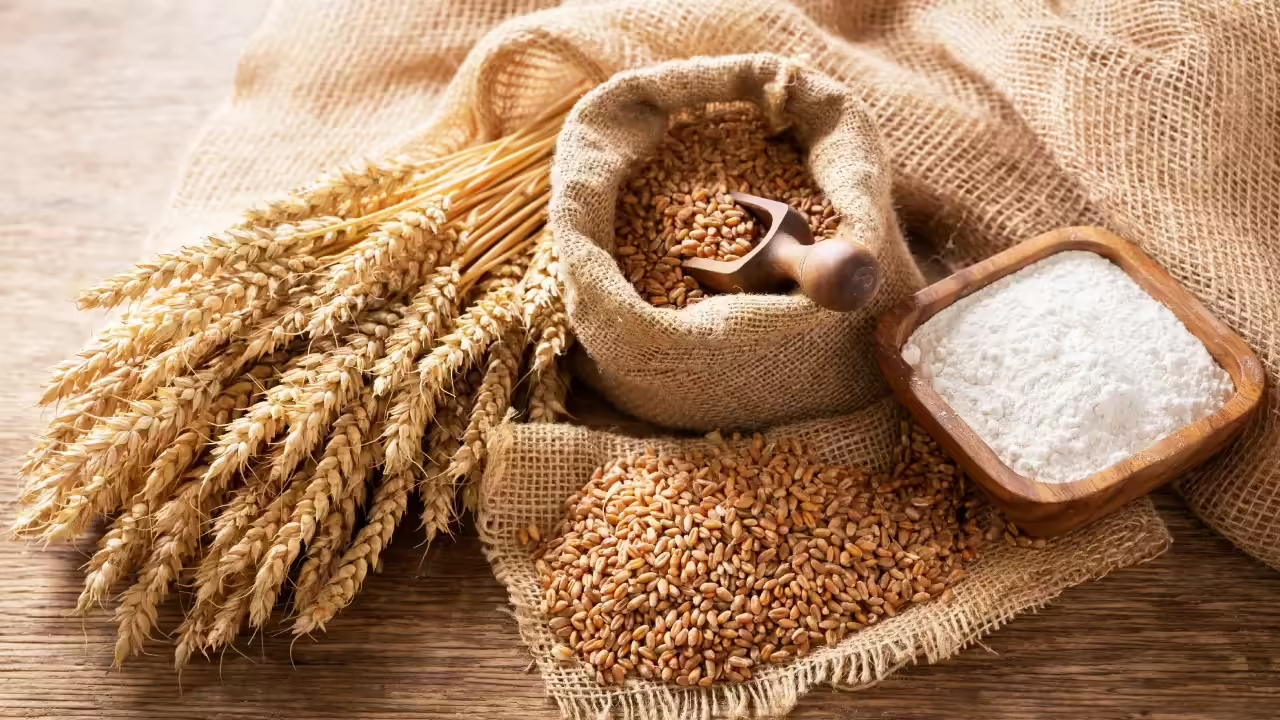
Traditionally milled atta does not require chemicals or preservatives. However, in large-scale commercial production, some manufacturers may use additives to improve shelf life, texture, or appearance. These can include bleaching agents or anti-caking chemicals, especially in highly refined flours. Such additives can reduce nutritional value and alter taste. Pure whole wheat atta, especially stone-ground varieties, […]
How to identify adulterated atta?
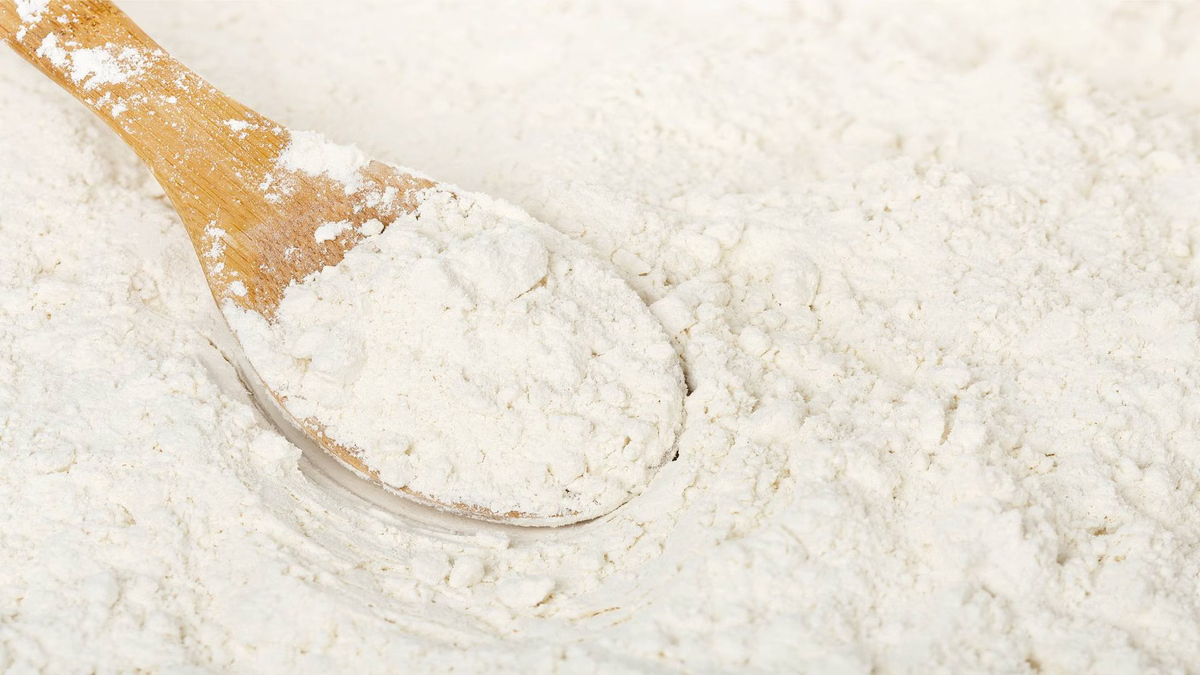
Adulteration in atta often involves mixing cheaper flours like maize, rice powder, or even chalk powder to increase volume. One simple way to detect this is through the water test: mix a small quantity of atta in a glass of water. Pure atta settles evenly, while adulterants may float or separate. Another method is texture […]
How to check if atta is pure?
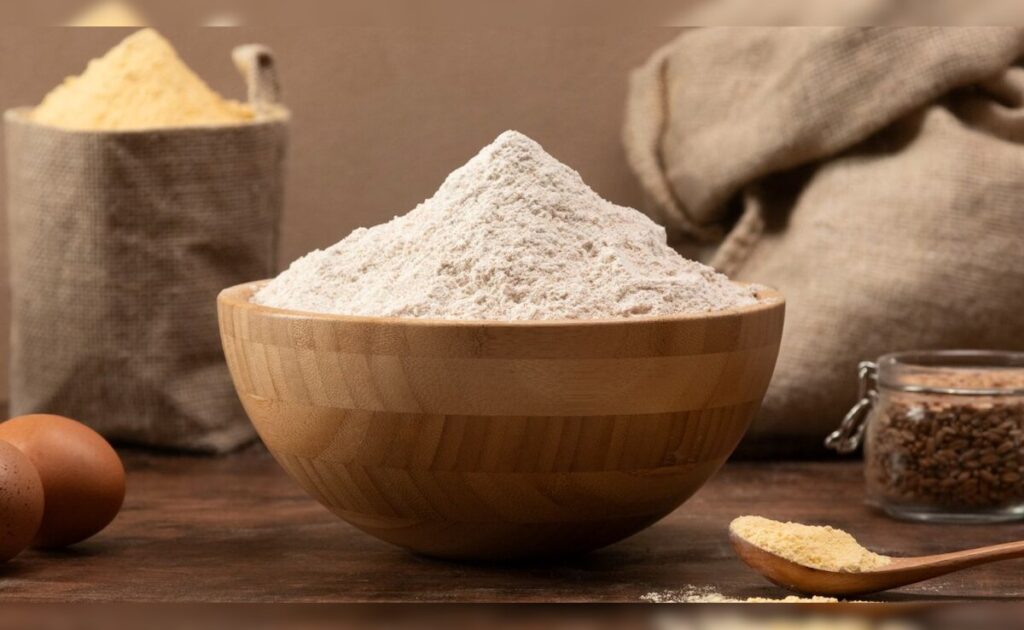
Pure atta can be identified through simple sensory and practical checks. First, observe the color—authentic whole wheat atta usually has a slightly off-white or light brown shade, not stark white. A very bright color may indicate excessive refining or bleaching. Next, touch the flour; pure atta feels slightly coarse due to bran content, whereas overly […]
Does atta cause bloating?

Atta can sometimes cause bloating, but this depends on individual tolerance and the type of flour consumed. Whole wheat atta contains fiber, which is generally beneficial, but a sudden increase in fiber intake can lead to temporary bloating. Gluten sensitivity is another factor. Some people may experience bloating due to difficulty digesting gluten. In such […]
Is atta good for digestion?
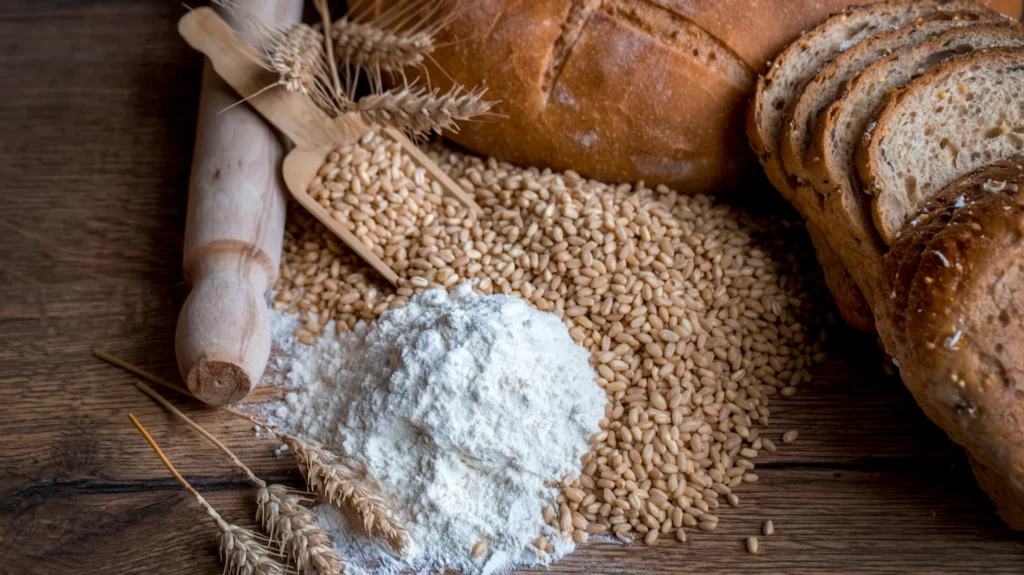
Atta, especially whole wheat atta, is beneficial for digestion due to its high fiber content. Fiber helps regulate bowel movements, prevents constipation, and supports a healthy gut. The bran present in whole wheat atta plays a key role in improving digestive health. It adds bulk to stool and promotes smoother digestion. Multigrain atta can further […]
Which atta is best for kids?

Children require a balanced diet rich in nutrients to support growth and development. Whole wheat atta is a great choice as it provides essential carbohydrates, fiber, and vitamins. Multigrain atta can be even more beneficial, offering a wider range of nutrients from different grains. For kids, the quality and freshness of atta are crucial. Freshly […]
Is fortified atta better than normal atta?
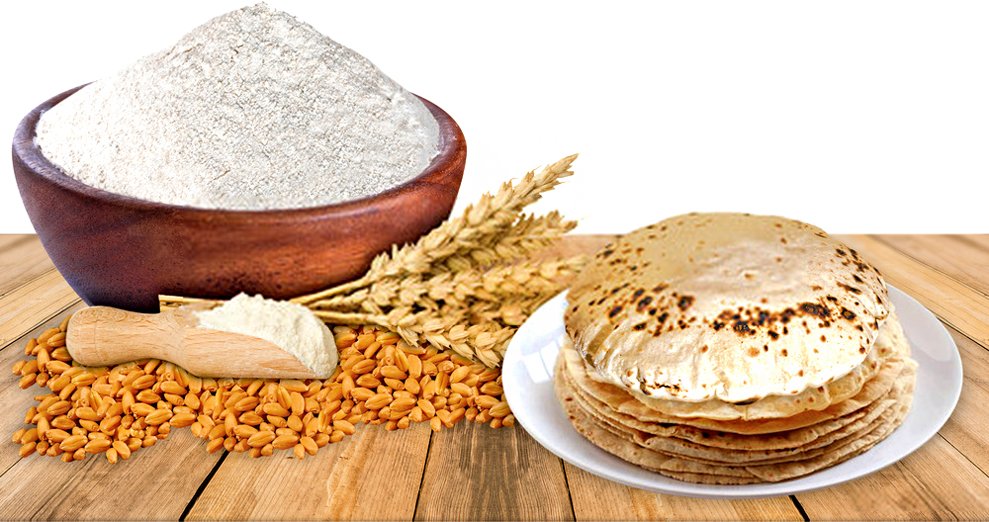
Fortified atta is enriched with additional nutrients such as iron, folic acid, and vitamins to address nutritional deficiencies. It is especially beneficial in regions where people may lack essential nutrients in their daily diet. Normal atta, on the other hand, provides naturally occurring nutrients but may not meet all dietary requirements. Fortified atta helps bridge […]
Is gluten in atta harmful?
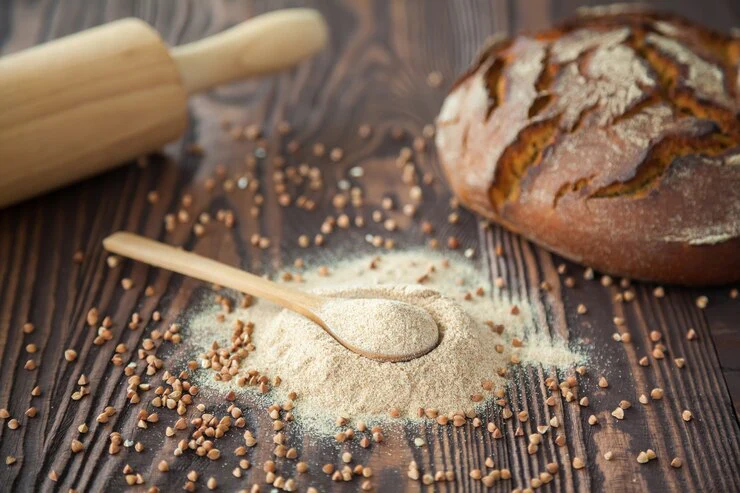
Gluten is a natural protein found in wheat and related grains. For most people, gluten is not harmful and can be part of a healthy diet. It provides elasticity to dough and contributes to the texture of foods like roti and bread. However, some individuals have conditions like celiac disease or gluten sensitivity. In such […]
Which atta has the most fiber?
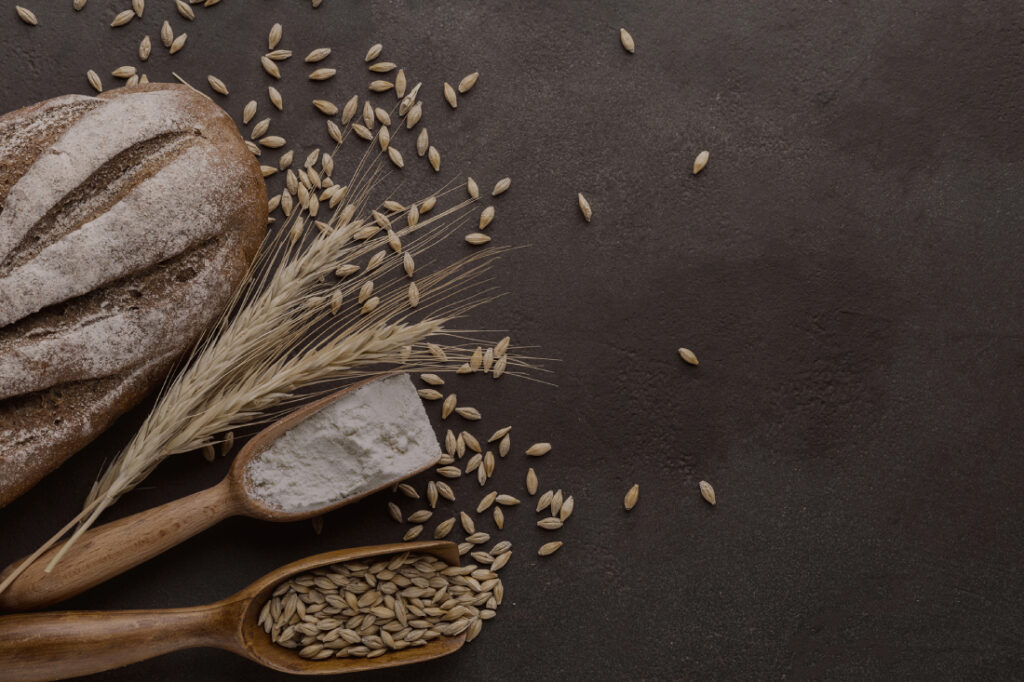
Fiber is a key nutrient for digestion, weight management, and overall health. Among different types of atta, whole wheat atta with bran intact has a high fiber content. However, multigrain atta and atta made from grains like barley, oats, and millet often provide even more fiber. Bran-rich atta is particularly beneficial because it retains the […]
Is multigrain atta really healthier?
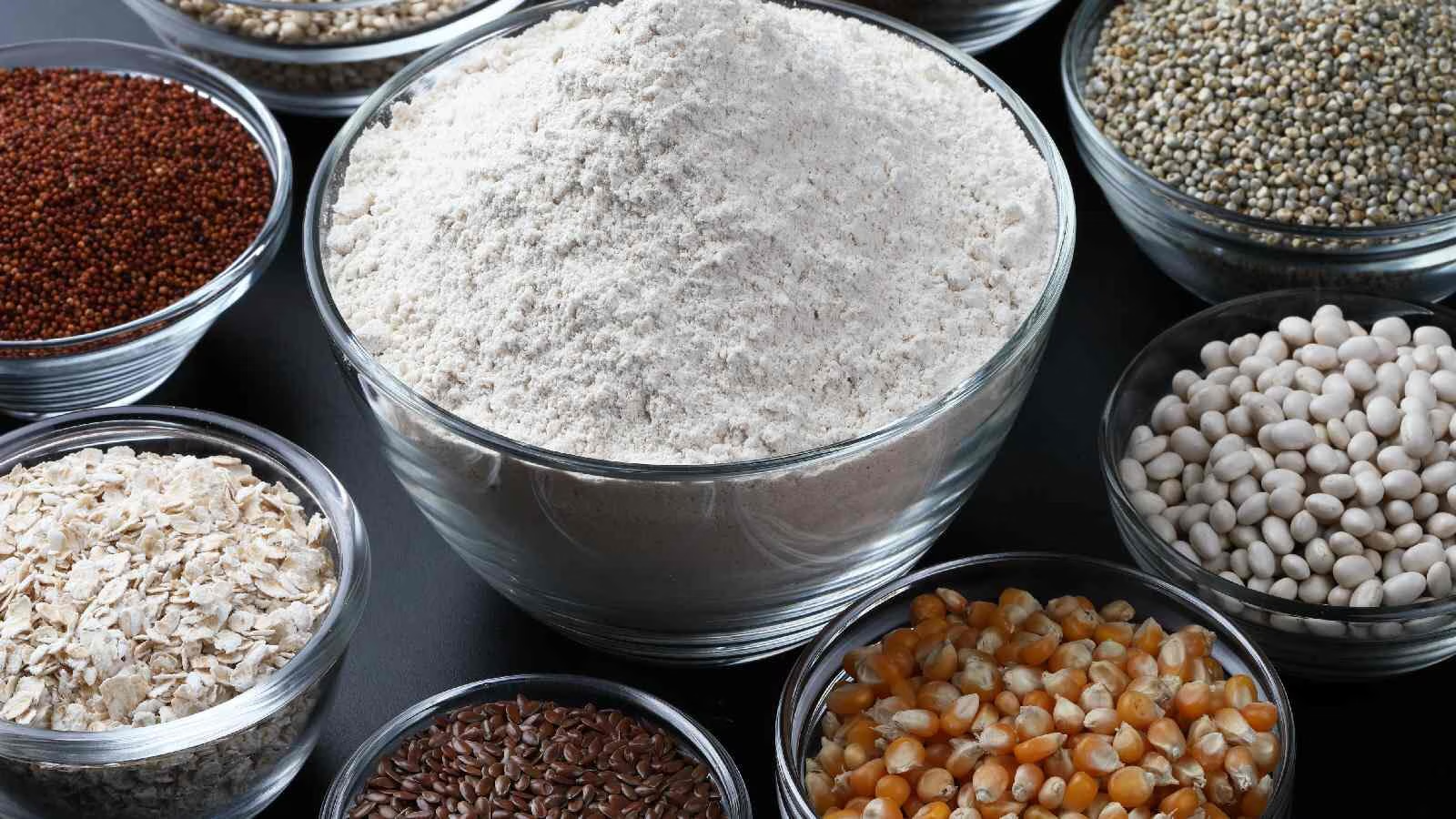
Multigrain atta is often considered healthier because it combines multiple grains, each offering unique nutritional benefits. Common ingredients include wheat, barley, oats, millet, and gram flour, which together provide a mix of fiber, vitamins, and minerals. This diversity enhances overall nutrition compared to regular wheat atta. One of the main advantages of multigrain atta is […]