This is a nuanced technical question. Aashirvaad markets itself prominently as a chakki-ground atta, and the chakki (stone-grinding) process is central to its brand identity. The leader in the chakki atta segment is ITC, whose Aashirvaad brand sells 100,000 tonnes per month. The temperatures attained in a chakki produced by friction are of the order of 110–125°C. At such high temperatures, the carotenes present in the bran tend to exude a characteristic roasty aroma, and stone grinding breaks the starch sufficiently to release extra sweetness, giving added flavour to chapatis.
Cryogenic milling, by contrast, uses extremely low temperatures (via liquid nitrogen) to grind grains, preserving volatile aromatic compounds and heat-sensitive nutrients better than conventional grinding. Aashirvaad does not publicly claim to use cryogenic milling — it uses conventional chakki grinding at scale via contracted co-packers.
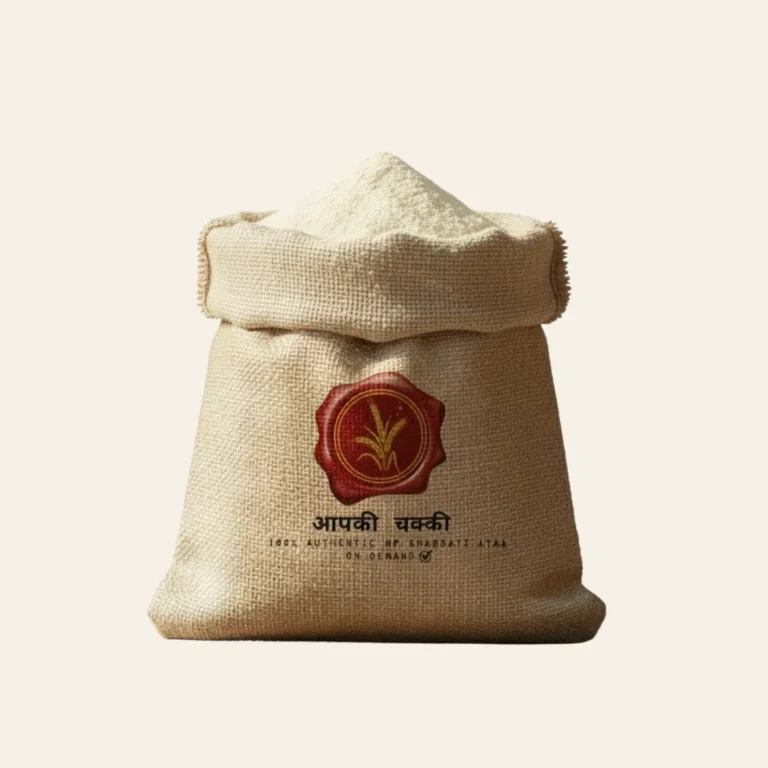
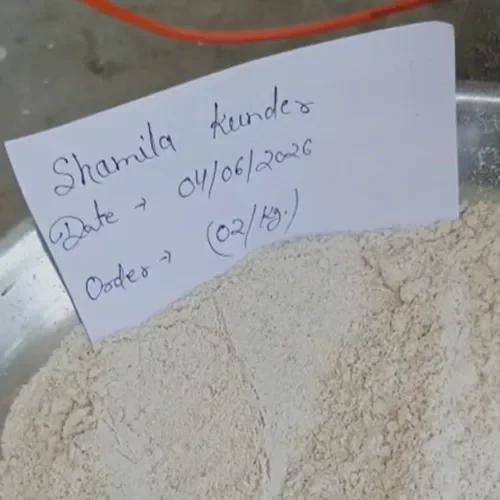
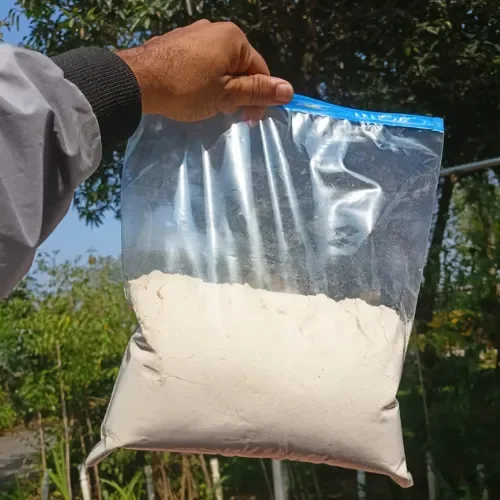
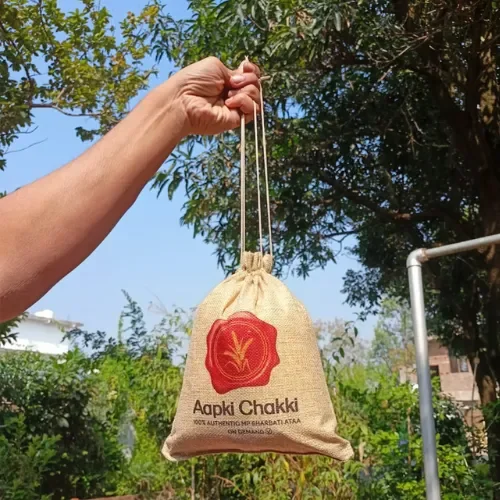
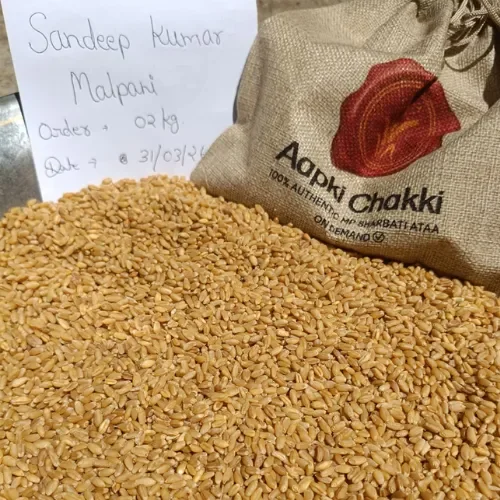
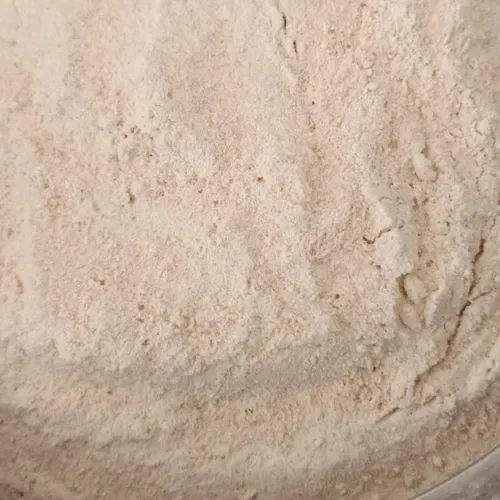
Cryogenic technology is more common in specialty flour production and spice grinding where aroma preservation is critical. For those seeking even more nutrient-preserved, fresh, and aromatic atta, traditional stone chakki with fresh grinding on demand is hard to beat. AapkiChakki.com specializes in exactly this — freshly ground, made-to-order atta that does not sit in a warehouse for months, preserving natural oils and nutrients at their peak.