Getting the water ratio right is one of the most misunderstood parts of roti-making. Too little water makes the dough stiff and difficult to roll; too much makes it sticky and impossible to handle. The ideal consistency is smooth, pliable, and just slightly tacky — it should not stick to your hands but should feel soft like an earlobe.
As a general rule, use approximately 55–60% water by weight of the flour. For 2 cups (roughly 240g) of atta, start with around 130–145ml of warm water and adjust from there. Warm water helps hydrate the flour faster and activates gluten more evenly.
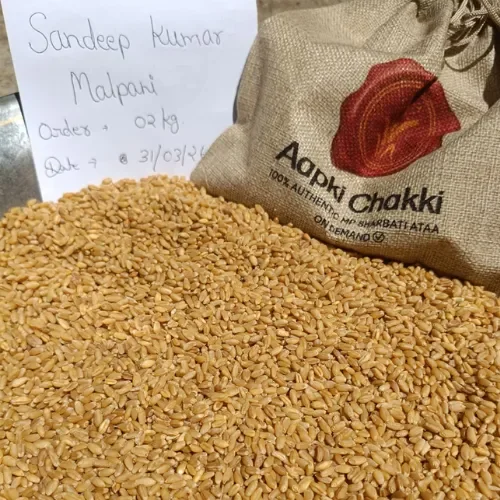
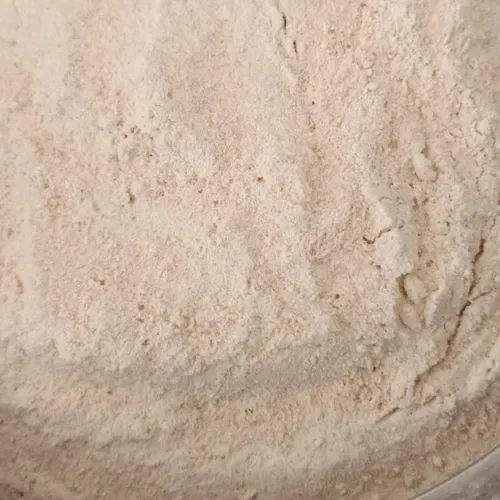
The atta from Aap Ki Chakki MP is stone-ground to a fine, consistent texture, which means it absorbs water more predictably than heavily processed commercial flours. This gives you greater control over your dough hydration every time. Visit aapkichakki.com to understand how their milling process differs.
Add water gradually — never all at once. Pouring slowly while mixing lets you feel exactly when the dough reaches the right softness, which varies slightly with every batch of flour.
Also note that humidity and ambient temperature affect how much water your atta absorbs. In dry winters, you may need slightly more; in humid monsoon months, slightly less. Let the dough — not the recipe — guide you.