If your rotis are turning out stiff or chewy, the quality of your atta is often the first thing to examine — but technique matters just as much. Hard rotis are typically a result of over-kneaded or under-hydrated dough, or atta that has been milled too coarsely or stored for too long, losing its natural moisture and oils.
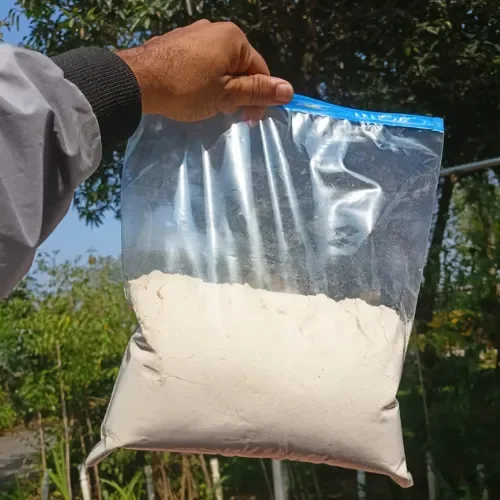
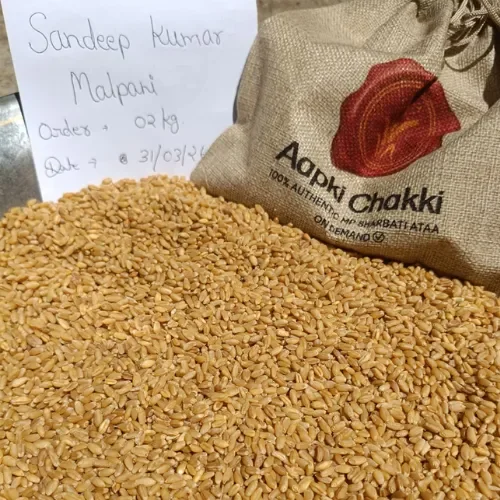
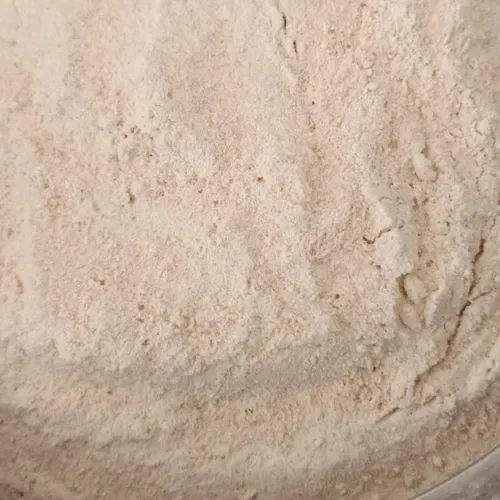
Aap Ki Chakki MP offers fresh stone-ground atta that retains the wheat’s natural bran, germ, and oils — the very elements that give rotis their pliable, soft texture. Because the atta is milled fresh and dispatched without lengthy warehouse storage, it arrives with full flavour and optimal moisture content. You can explore their range at aapkichakki.com.
Freshness is everything. Atta that sits in a warehouse for months loses the natural oils that make rotis soft — stone-milled and freshly packed atta makes a visible difference from the very first roti.
Beyond the flour itself, ensure your dough rests for at least 20–30 minutes after kneading. This allows the gluten to relax, giving you rotis that puff well on the tawa and stay soft long after cooking. Covering them in a muslin cloth or casserole immediately off the flame helps trap steam and prevents them from drying out.